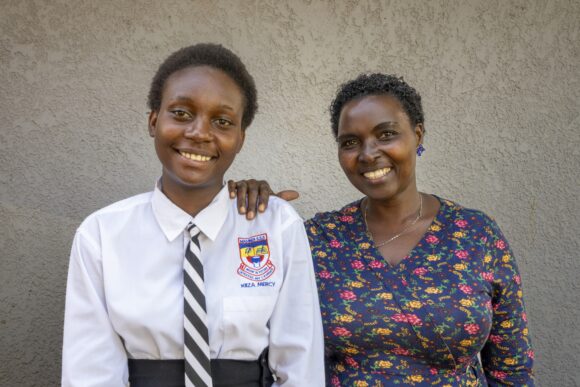
We visited refugee camps in the Democratic Republic of Congo. We met Salima, who was left alone with seven children and Christoph, who is working in humanitarian aid. They told their stories and what the support means in the middle of a crisis.
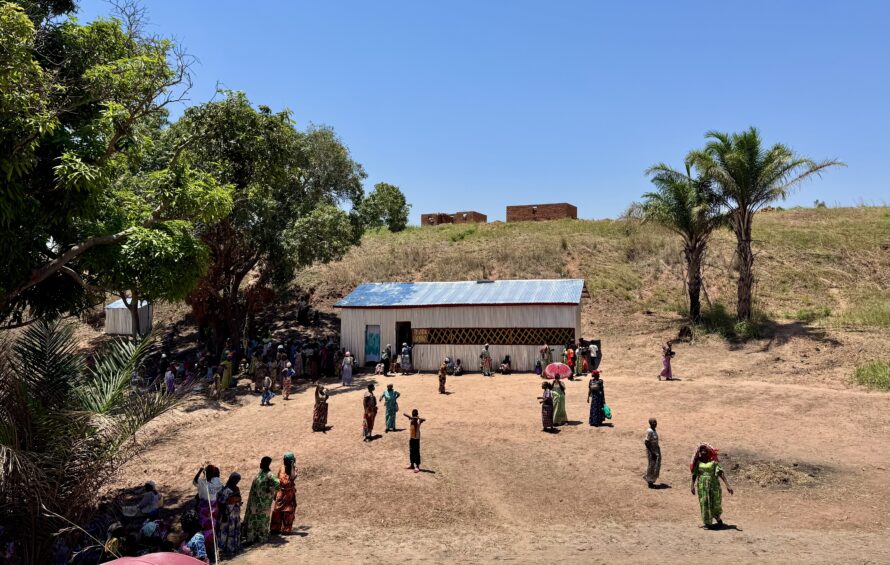
In the eastern Democratic Republic of Congo (DRC), decades of conflict have forced around 6 million people to flee their homes. As violence has intensified in North and South Kivu, many families have sought safety in neighbouring Tanganyika Province. In Kalemie, the provincial capital of Tanganyika, displaced families continue to arrive from hundreds of kilometres away, often with little more than the clothes they are wearing.
The growing number of internally displaced people (IDPs) has placed enormous pressure on already vulnerable communities hosting the new arrivals. Families struggle with the basic needs such as access food, healthcare, education and safe shelters.
Salima’s journey to safety
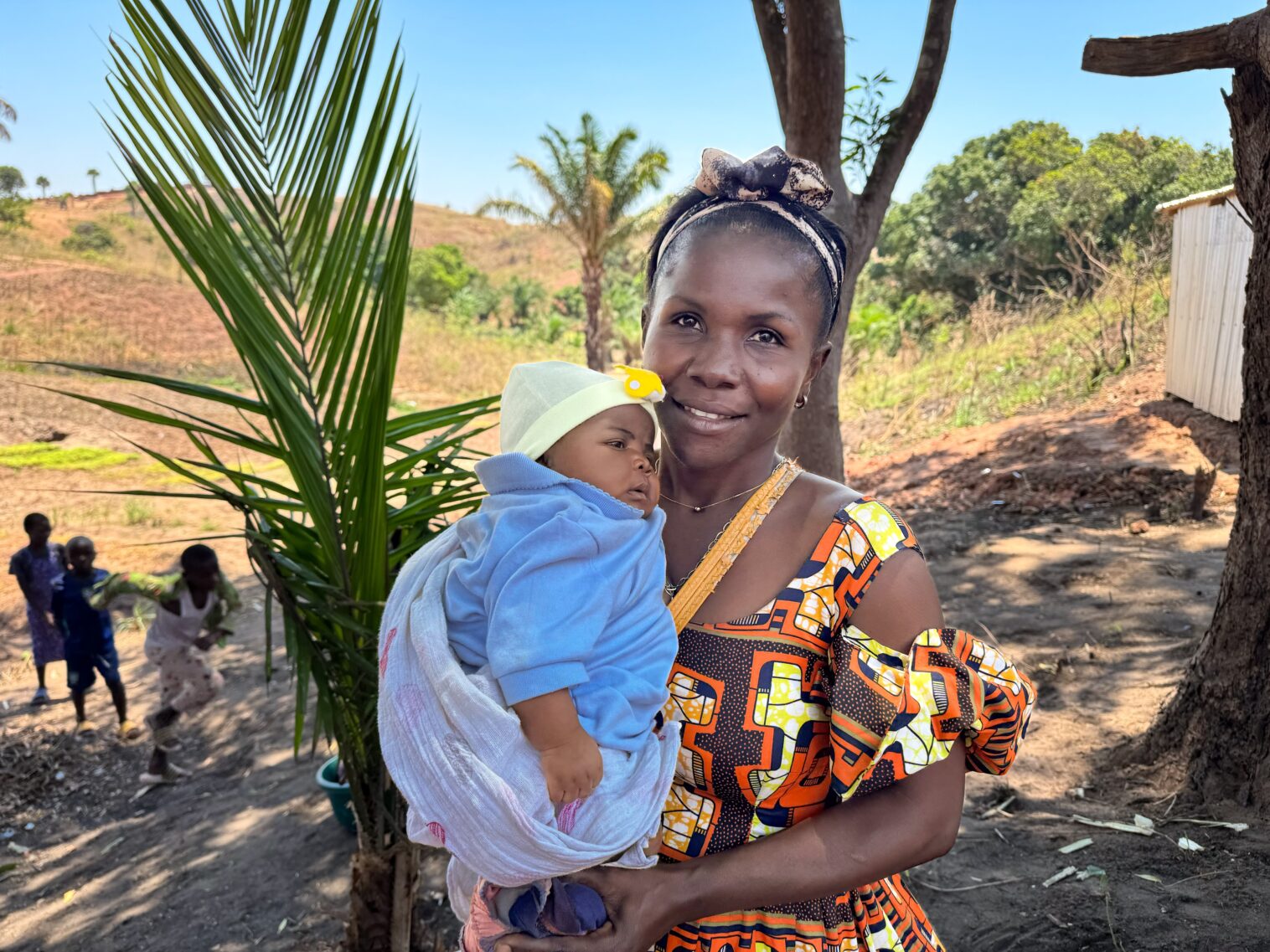
Salima Grace, 31, is one of the many people who have been forced to leave everything behind. Originally from Uvira in South Kivu, Salima was running a small business selling clothes. She was married and raising her children when violence changed her life. Her husband was killed, leaving her to care for their family alone.
In December 2025, Salima was forced to flee Uvira.
– I was two months pregnant and had seven children to care for, including six of my own and one relative child. Our journey to safety was long and exhausting, explains Salima.
They travelled on foot for four days from Uvira to Baraka, before travelling by boat for another three days from Baraka to Kalemie.
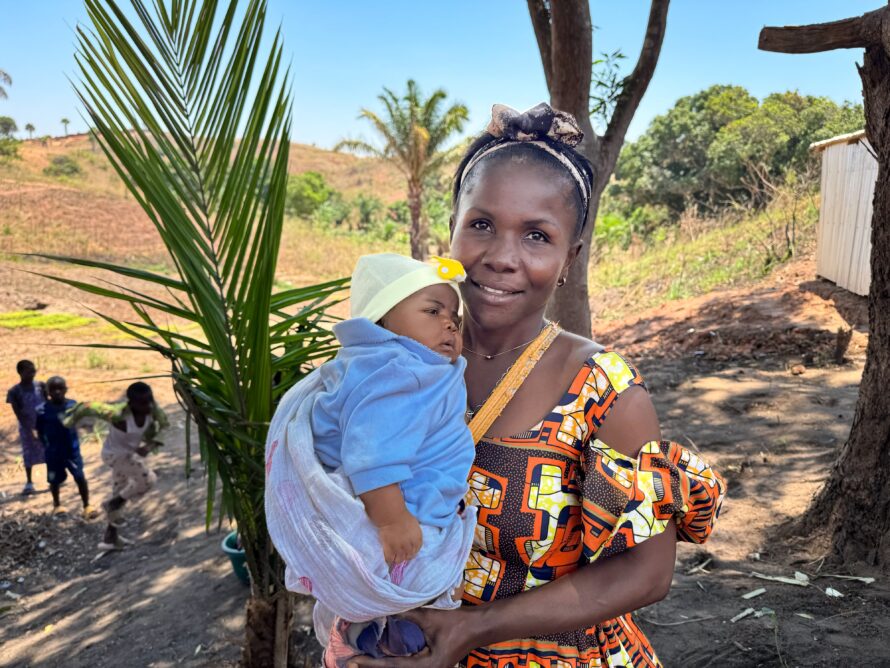
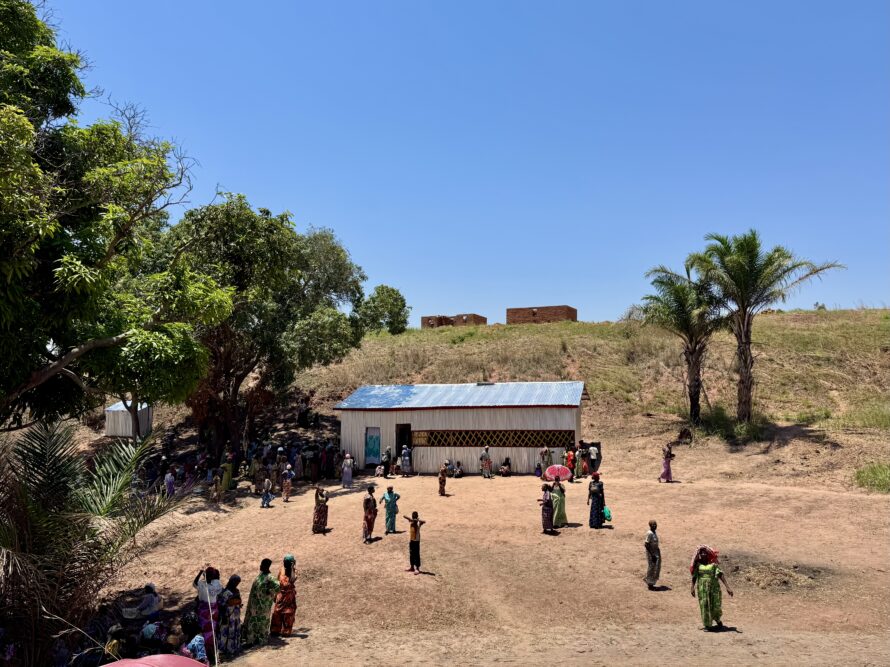
Eventually, Salima’s family reached Kalemie, where they found refuge among other displaced families in one of the IDP-camps where CEPAC and Fida are working. For Salima, arriving in safety did not mean that the difficulties were over. Like thousands of other displaced people, she had to find a way to rebuild her life while caring for her children in unfamiliar surroundings and struggling with trauma.
Responding to growing humanitarian needs
Fida, together with its local partner organisation CEPAC, is responding to the humanitarian crisis in Kalemie by supporting displaced families and vulnerable host communities.
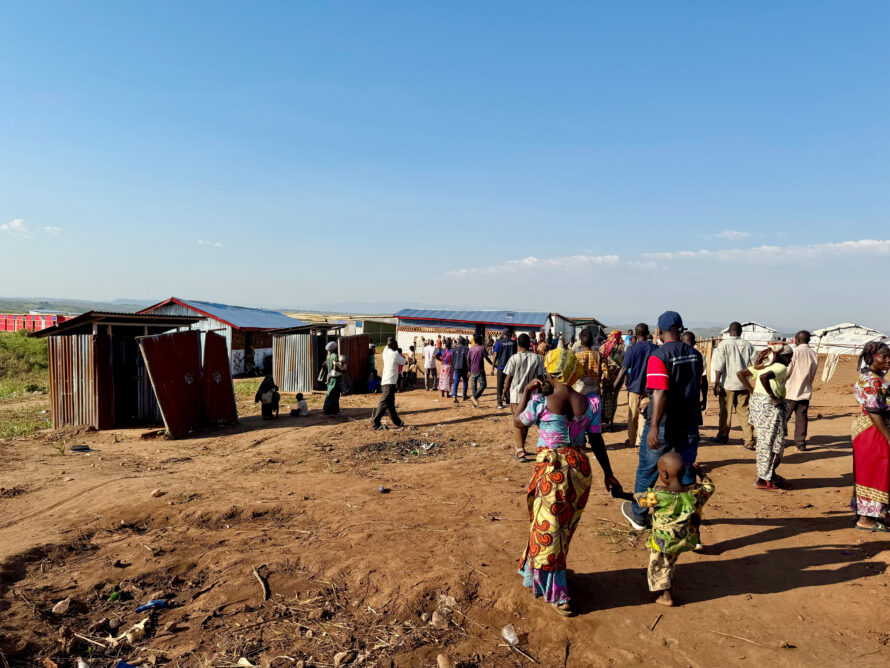
The CEPAC-Fida programme combines psychosocial support and protection services with food assistance, economic support and the strengthening of local civil society organisations. Particular attention is given to children, women and persons with disabilities, who often face additional challenges during displacement.
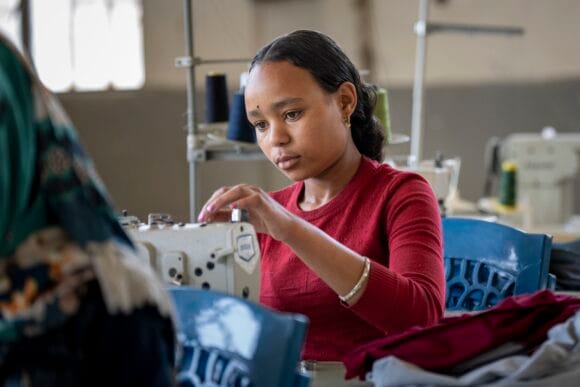
In child-friendly spaces, children can participate in activities that support their psychosocial well-being. Women’s Centres provide safe environments for psychosocial support, awareness-raising and practical skills training. For many families, these activities offer more than immediate assistance. They help restore a sense of dignity, belonging and hope.
Behind the humanitarian response
Christophe Demwa has worked with CEPAC for six years in Fida-funded programmes. During that time, he has served in several roles, from field supervisor to programme coordinator, working in different parts of eastern DRC.
He has witnessed how the humanitarian situation has changed over the years and how the programmes have had to adapt their operations. Previously, much of the humanitarian work was concentrated in North and South Kivu. As the conflict expanded and families fled towards Tanganyika, humanitarian needs in Kalemie increased dramatically.
Today, Christophe and his colleagues work closely with local authorities, other humanitarian organisations and community representatives to identify the most urgent needs and ensure that assistance reaches vulnerable families. Community participation is central to their approach. Local leaders and camp committees help identify needs, while coordination with other humanitarian actors reduces duplication and improves the use of limited resources.
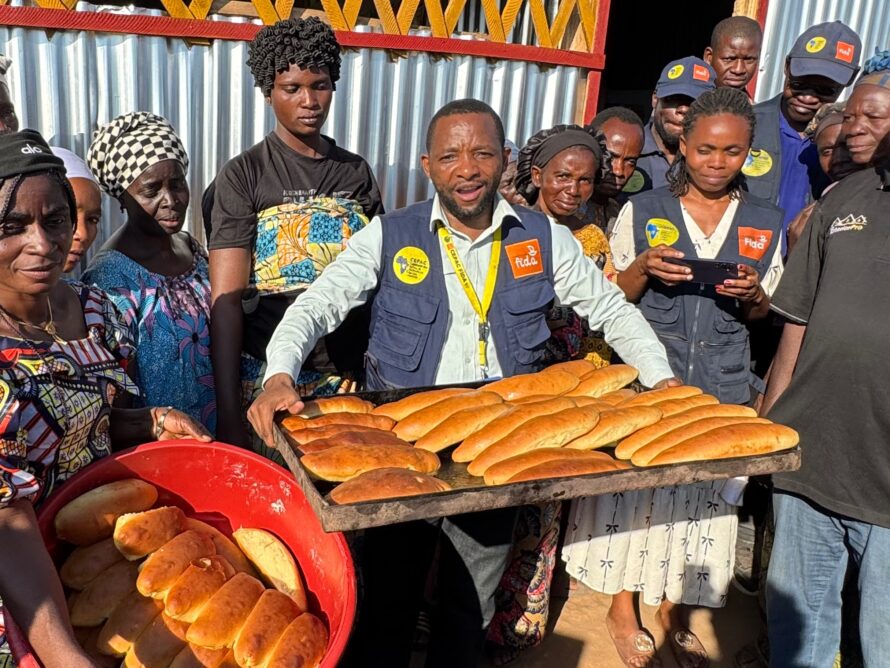
For Christophe, one of the most rewarding aspects of his work is meeting people affected by the crisis and being able to contribute to improving their situation. Yet the work is not easy. Humanitarian needs continue to grow, resources are limited, and each day brings new challenges.
– However, by working with my dedicated colleagues, we can support each other when things get difficult. At the same time, we make a real difference by helping IDPs through their hardships and providing psychosocial support, food and cash assistance, says Christophe.
Hope requires commitment
In Kalemie, the humanitarian crisis is far from over. Families continue to arrive, and many of those who have already found safety are still struggling to meet their most basic needs.
However, there is always hope. It can be seen in children returning to activities where they feel safe, in women finding opportunities to rebuild their lives by learning new income-generating skills, and in local communities supporting one another through difficult times.
For Salima, humanitarian assistance has meant more than receiving support. It has given her the opportunity to regain confidence, learn new skills and begin rebuilding her life after displacement.
– I am not the same person I was at the beginning of the year. CEPAC-Fida has taught me how to deal with my negative thoughts and shown me that this is a place where I can create something new for myself and my children, she says.
Since April, Salima has been attending the Women’s Centre four days a week, participating in psychosocial support groups and practical training sessions, including soap-making. Meanwhile, her children take part in activities at the Child-Friendly Spaces, where they can play, learn and spend time with other children in a safe environment.
However, hope alone is not enough. Responding to this crisis requires committed local staff, strong community partnerships and sustained financial support. With continued funding and dedicated humanitarian workers like Christophe, CEPAC and Fida can continue supporting families affected by conflict. This support not only helps them survive but also enables them to gradually rebuild their lives with dignity and hope.
Text and the pictures: Elina Lehikoinen, Country Programme Director, Humanitarian Assistance, DRC