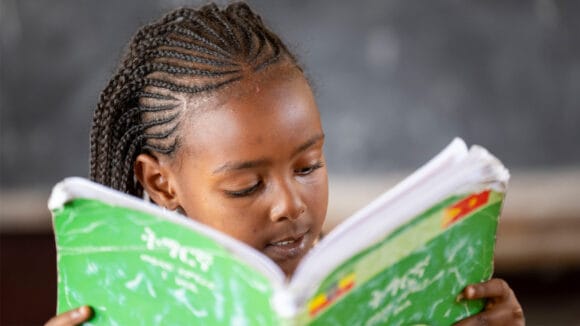
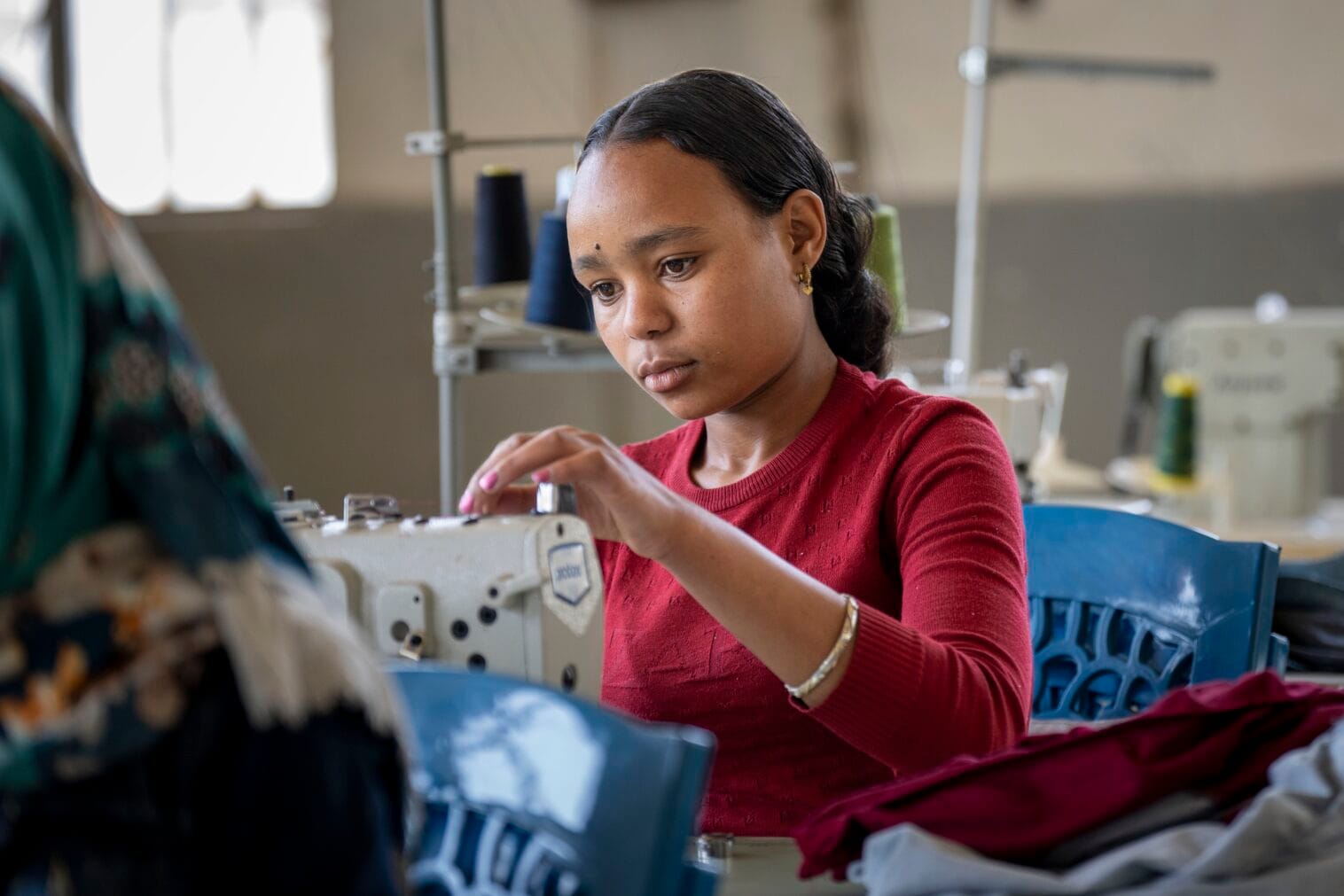
In Holeta, Ethiopia, vocational training opened up new opportunities for unemployed young people and those at risk of social exclusion.
In the city of Holeta, near Ethiopia’s capital Addis Ababa, the steady hum of sewing machines fills the air. In the busy workshop, colourful T-shirts and hoodies are being made. The garments being fabricated symbolise an opportunity for a fresh start.
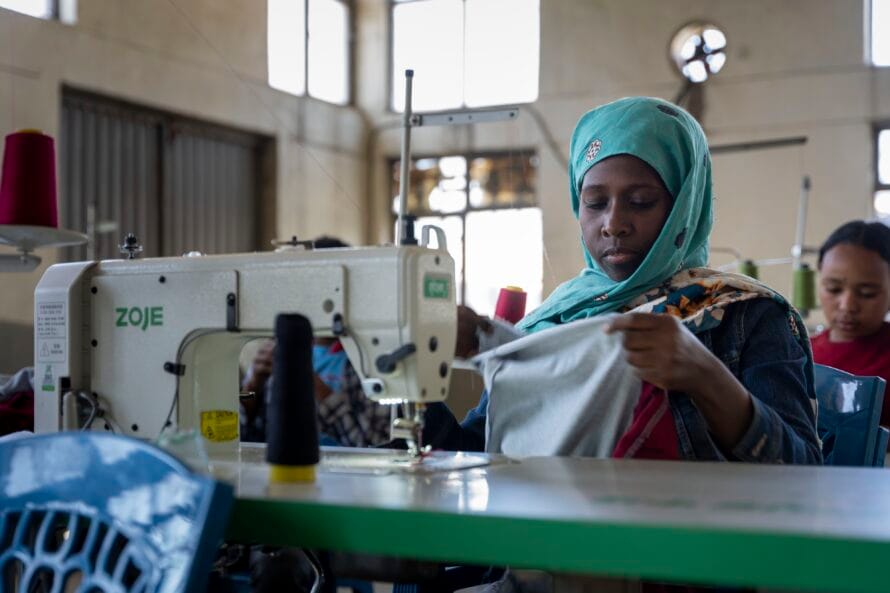
One of the people working in the workshop is Nesat Sims (pictured).
– Before receiving vocational training, I had no skills and no job. Now I have a job, friends, and my financial situation is improving, Nesat says shyly, but with visible pride.
Nesat Sims is one of many young women whose lives have been transformed through development cooperation between Fida and the Ethiopian Guenet Church. The vocational training provided for young people between 2022 and 2025 has helped unemployed and socially excluded young people find their place in society and build a future for themselves as seamstresses, hairdressers or IT professionals, for example.
Investing in youth employment is extremely important, as youth unemployment is a serious challenge in Ethiopia, particularly in urban areas. Estimates suggest that more than a quarter of young people aged 15–29 are unemployed, while millions more struggle with insecure livelihoods and irregular work.
From Training Straight Into Employment
Fashion designer Ashenati Alemu is one of the success stories from Fida’s country programme in Ethiopia. She runs her own clothing business and took part in the training programme as an instructor, teaching young people sewing skills.
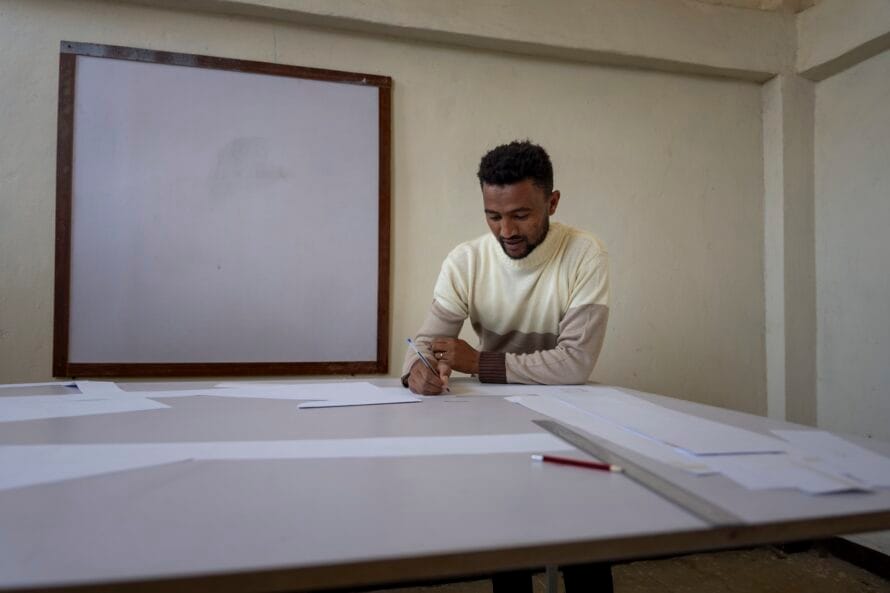
– After the training, I hired some of my students to work in my company. I chose those who lived nearby and were truly committed, he says.
Ashenati now employs eight young people at his shop, where a variety of garments are made to order. The business is small but growing, and the workshop has an energetic and hopeful atmosphere.
For 23-year-old Elsinesh Demis, the sewing training meant much more than learning new skills.
– This is my first job. Before, I had no opportunity to earn an income. Now I can even support myself, says Elsinesh, who dreams of having a sewing workshop of her own.
Skills Build a Better Future
Dawit Wolde, a programme coordinator working at the regional office in Holeta, says that strengthening skills has been at the heart of the change.
– We focused on sustainability. We didn’t give people money; we gave them skills, and those skills remain even after the programme has ended. Self-help groups have been established for young people, allowing them to save money, provide each other with small loans and gradually start their own businesses.
Vocational training for young people is part of broader community work in Holeta. Wolde says it has had a stabilising effect on young people:
– In the past, there was a lot of unrest among young people in the area. Unemployment and conflicts between different groups created insecurity. Fida’s country programme team provided young people with training, opportunities for dialogue and activities such as sports events, and the change is beginning to show. Young people who were once drawn into conflicts are now working as peace ambassadors.
– The change can also be seen at the city’s annual sports event, where fights used to break out between different youth groups. After the peacebuilding training, however, the conflicts stopped, and the same young people began working together to promote peace, Wolde says.
—
*Supported with funding from Finnish development cooperation.
Vocational training for young people was part of Fida’s Ethiopia country programme in 2022–2025:
- More than 13,600 people participated in training to strengthen their livelihoods. More than 9,600 of them were women.
- More than 1,100 new jobs were created between 2022 and 2025.