
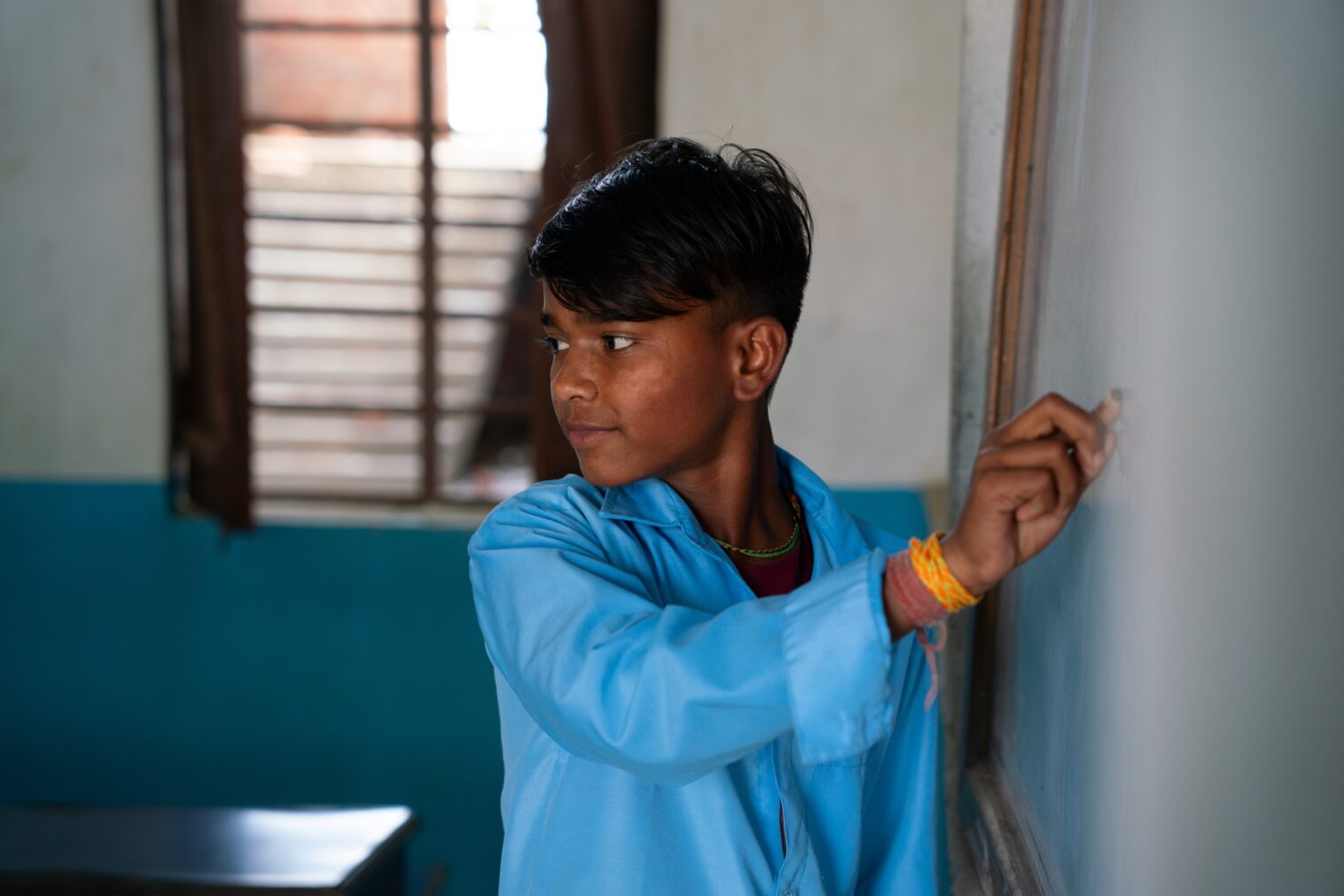
In Nepal, we develop education in rural areas and strengthen children’s opportunities to attend school.
Nepal is one of the least developed countries in Asia. Girls and children with disabilities are in a particularly vulnerable position in society.
In rural areas, the quality of education is low, and cooperation between schools and authorities is often limited. Women and persons with disabilities are also frequently excluded from decision-making.
What does Fida do in Nepal?
Fida develops education and strengthens children’s rights together with local partners. The work is carried out in close cooperation with parents, teachers, and local authorities.
The goal is that more children can attend school, complete their education, and receive better quality teaching. At the same time, communities are supported to promote the rights of children and young people.
The work is implemented together with local organisations Rescue Nepal, Relative Nepal, and New Life Service Association.
The country programme operates in three areas of Nepal: Dhanusa District, Kailali District, and Ramechhap District.
The programme directly reaches more than 36,000 people, the majority of whom are women and girls. It also includes more than one thousand persons with disabilities.
What does Fida’s work in Nepal include?
- Cooperation with parents, teachers, and local authorities ensures that children can attend school and receive better quality education.
- School conditions are improved, and harmful attitudes related to education are addressed.
- Trainings are organised for students, teachers, parents, and local organisations, covering the right to education, equality, inclusion of children with disabilities, sexual and reproductive health, and psychosocial wellbeing.
- Communities are supported to advocate for the rights of children and young people.
- The capacity of partner organisations is strengthened, and cooperation is promoted between schools, authorities, and local businesses.
In the long term, the aim is that more children complete their education and achieve better learning outcomes. School dropout rates decrease, and local authorities develop education in collaboration with communities. This leads to lasting improvements in the quality of education, with good practices that can be replicated in other areas.
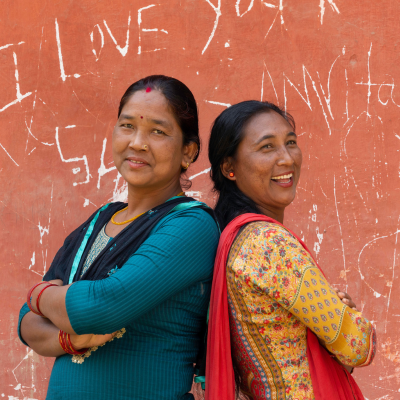
We support our children’s schooling by being on the school management committee, because we know how important education is for the future of our children.
Pushpa ja Shnidevi, members of school management committee in Kailari, and mothers of students.
Get to know our work
Our Country Programmes
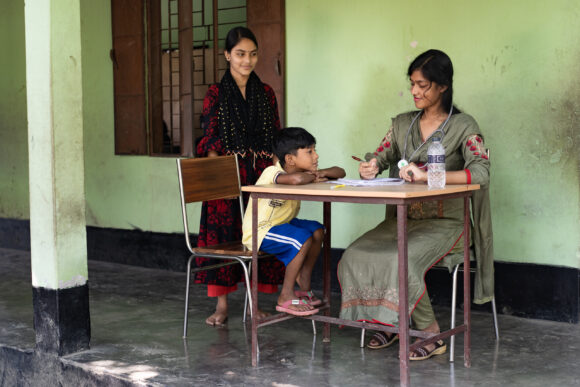
Development work in Bangladesh
In Bangladesh we support the education of children and youth as well as the livelihood of families.
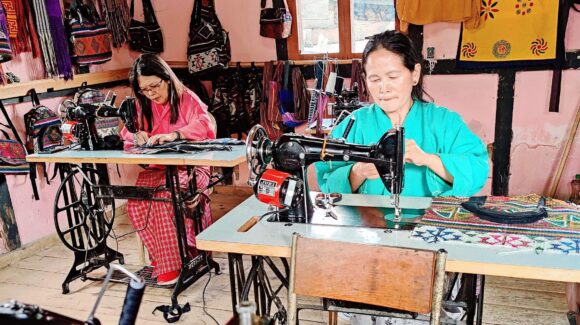
Development work in Bhutan
In Bhutan we support women’s livelihoods by organising vocational training.
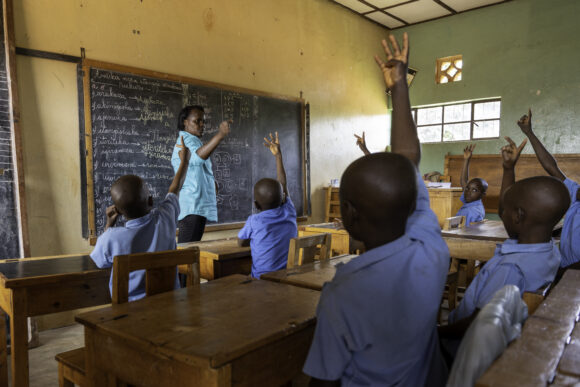
Development work in Burundi
In Burundi we support the education opportunities of children and youth.
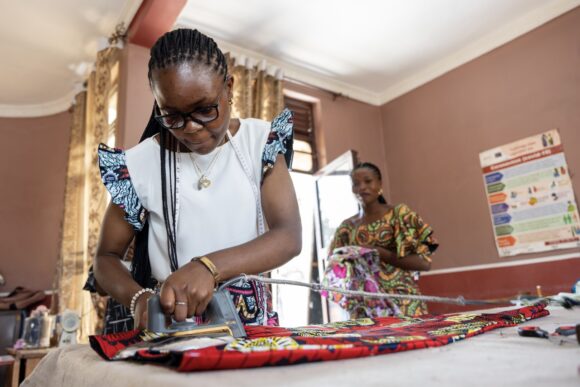
Development work in Democratic Republic of the Congo
In Congo we support children’s right to equal and high-quality education.
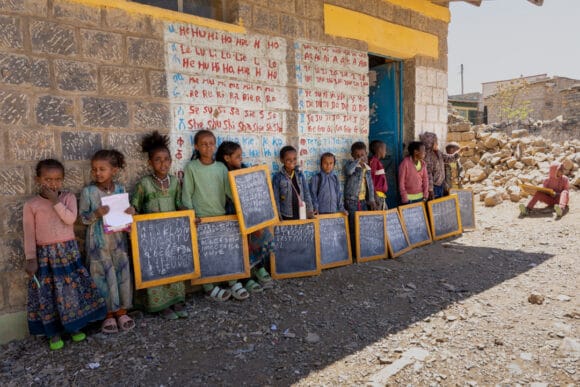
Development work in Ethiopia
In Ethiopia, we support children and young people’s education in areas affected by conflict.
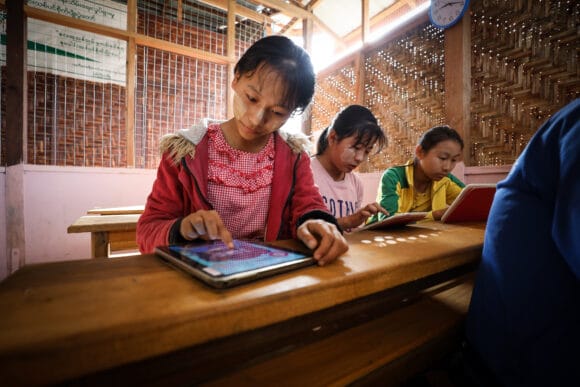
Development work in Myanmar
In Myanmar we support the education of marginalised children and youth.
Development work in Tanzania
In Tanzania we support the education of children and youth. We especially focus on improving the status of children with disabilities.
Development work in Uganda
In Uganda we support the education and livelihood of children and youth.

Fida in Ukraine
Ukraine is facing one of the largest displacement crises of our time. Fida works to support the well-being and future of children affected by the war.