
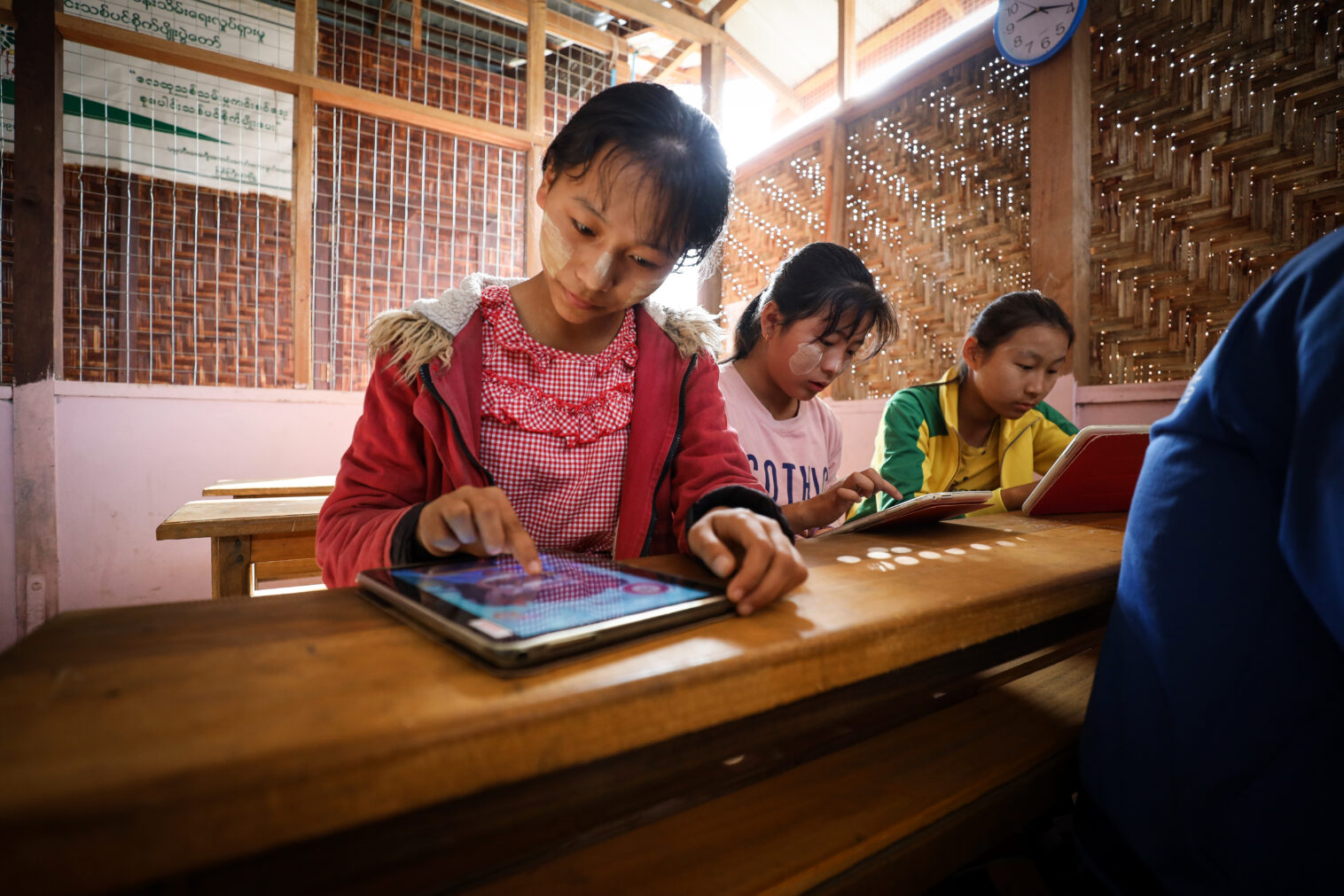
In Myanmar, Fida promotes the right to education for children and young people living in the most vulnerable situations.
Myanmar is the second-largest country in Southeast Asia by area, but remains one of the least developed nations globally. Prolonged crisis, poverty and armed conflict have affected the daily lives of children and young people in many ways.
Many schools are closed or poorly equipped. Children from ethnic minorities and children with disabilities are especially at risk of being excluded from education. Insecurity and uncertainty continue to hinder the development of society as a whole.
What does Fida do in Myanmar?
Fida’s country programme in Myanmar focuses on strengthening the well-being of children and young people. At its core are quality education and peace education. The goal is that more children can go to school, learn essential skills and grow up in a safe environment.
Fida works together with a local partner. Activities take place in two state regions.
Between 2026 and 2029, the programme will directly reach 5,000 people and indirectly impact around 30,000 people.
What does our work in Myanmar include?
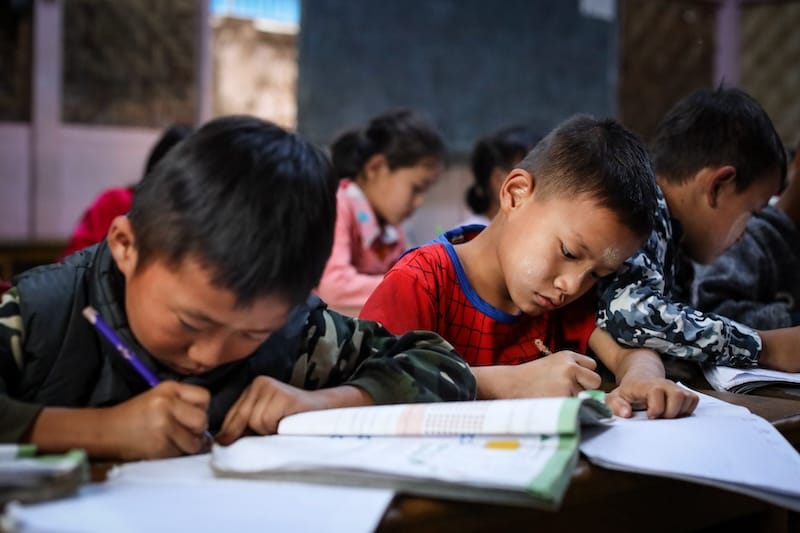
- Learning centres are established in villages, where children can study from preschool to upper secondary level. These centres are especially important in communities where only a small number of children attend school or where dropping out is common.
- Learning is also supported through digital tools such as tablets and online platforms.
- Teachers are trained, and parents are supported so they can better help their children with schooling.
- Peace education is an important part of the work. It helps build understanding between different groups and strengthens communities’ ability to resolve conflicts. Women and youth are actively encouraged to participate in peacebuilding efforts, and dialogue is fostered among different religious communities.
- Fida also provides humanitarian assistance in Myanmar, supporting long-term work and helping people cope in the midst of a humanitarian crisis.
As a result, more children stay in school, learn, and have the opportunity to continue their education. Special attention is given to girls, inclusion of children with disabilities, and the impacts of climate change, which affect many communities in Myanmar.
Additionally, Fida strengthens the administrative and advocacy capacities of local partners, empowering them to champion children’s rights in their communities.

For me, the right to education means the opportunity to regularly attend school.
Ma Kay Zin Win, student at a learning centre.
Get to know our work
Our Country Programmes
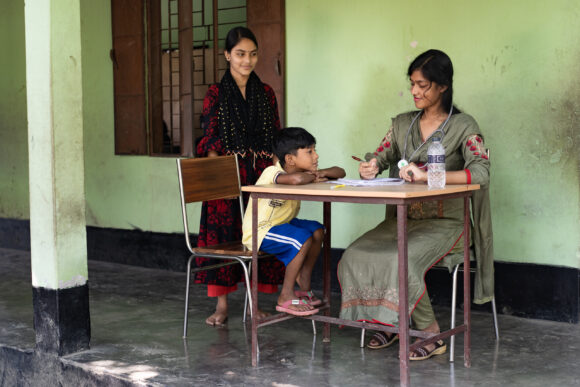
Development work in Bangladesh
In Bangladesh we support the education of children and youth as well as the livelihood of families.
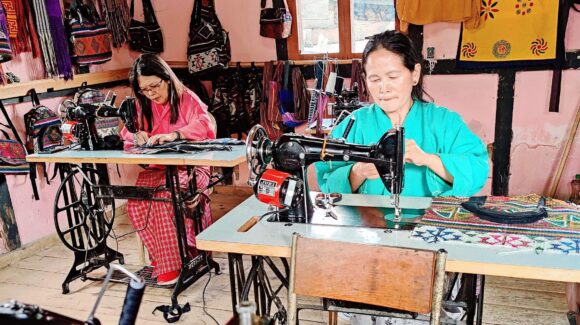
Development work in Bhutan
In Bhutan we support women’s livelihoods by organising vocational training.
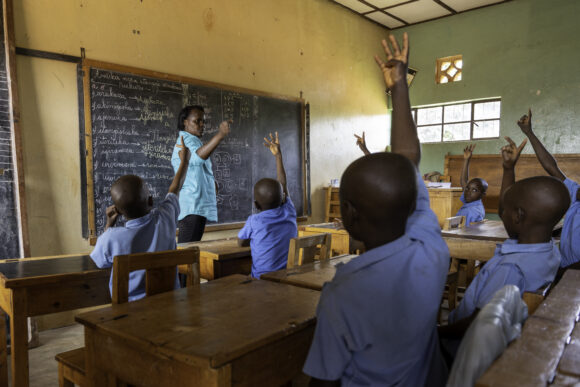
Development work in Burundi
In Burundi we support the education opportunities of children and youth.
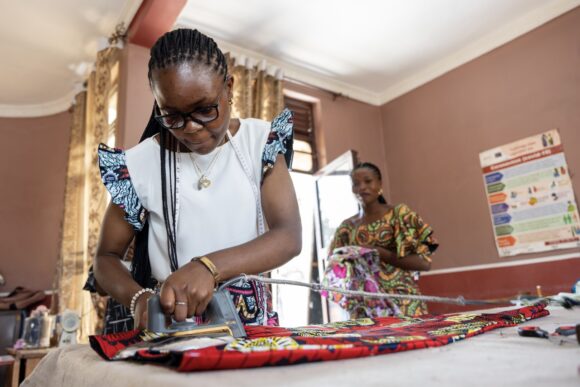
Development work in Democratic Republic of the Congo
In Congo we support children’s right to equal and high-quality education.
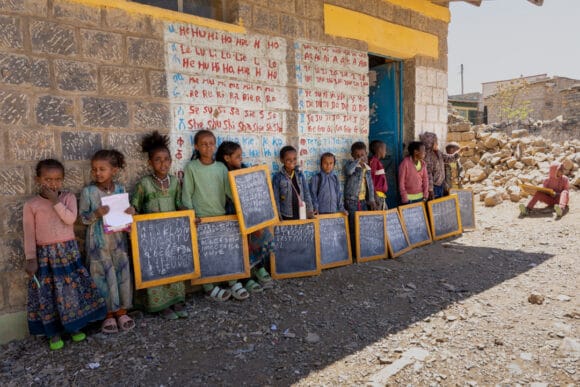
Development work in Ethiopia
In Ethiopia, we support children and young people’s education in areas affected by conflict.
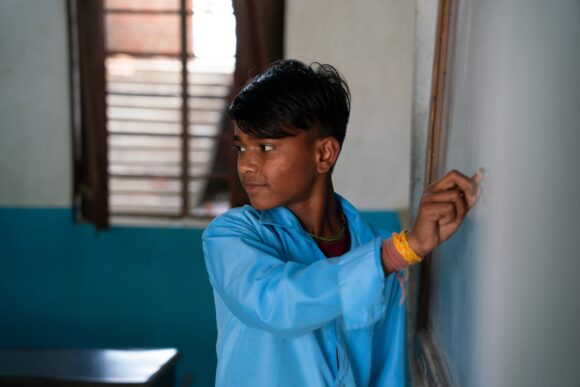
Development work in Nepal
In Nepal we support the education of children and youth.
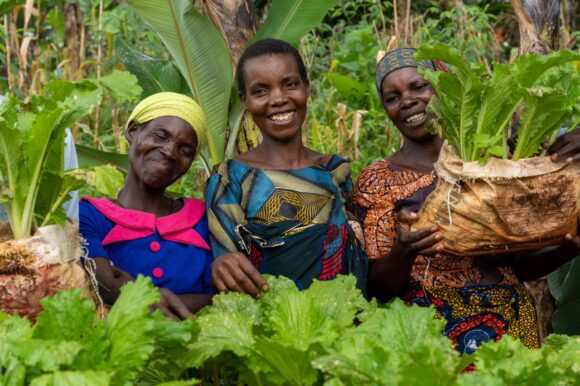
Development work in Tanzania
In Tanzania we support the education of children and youth. We especially focus on improving the status of children with disabilities.
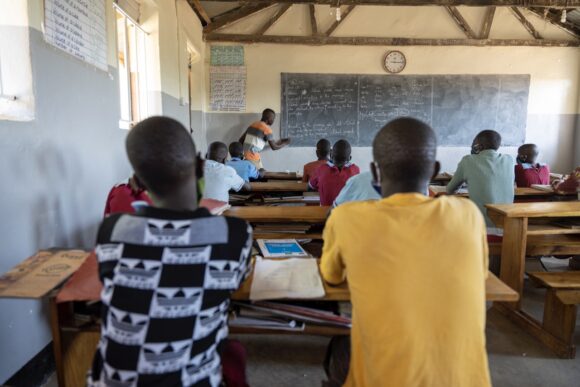
Development work in Uganda
In Uganda we support the education and livelihood of children and youth.

Fida in Ukraine
Ukraine is facing one of the largest displacement crises of our time. Fida works to support the well-being and future of children affected by the war.