
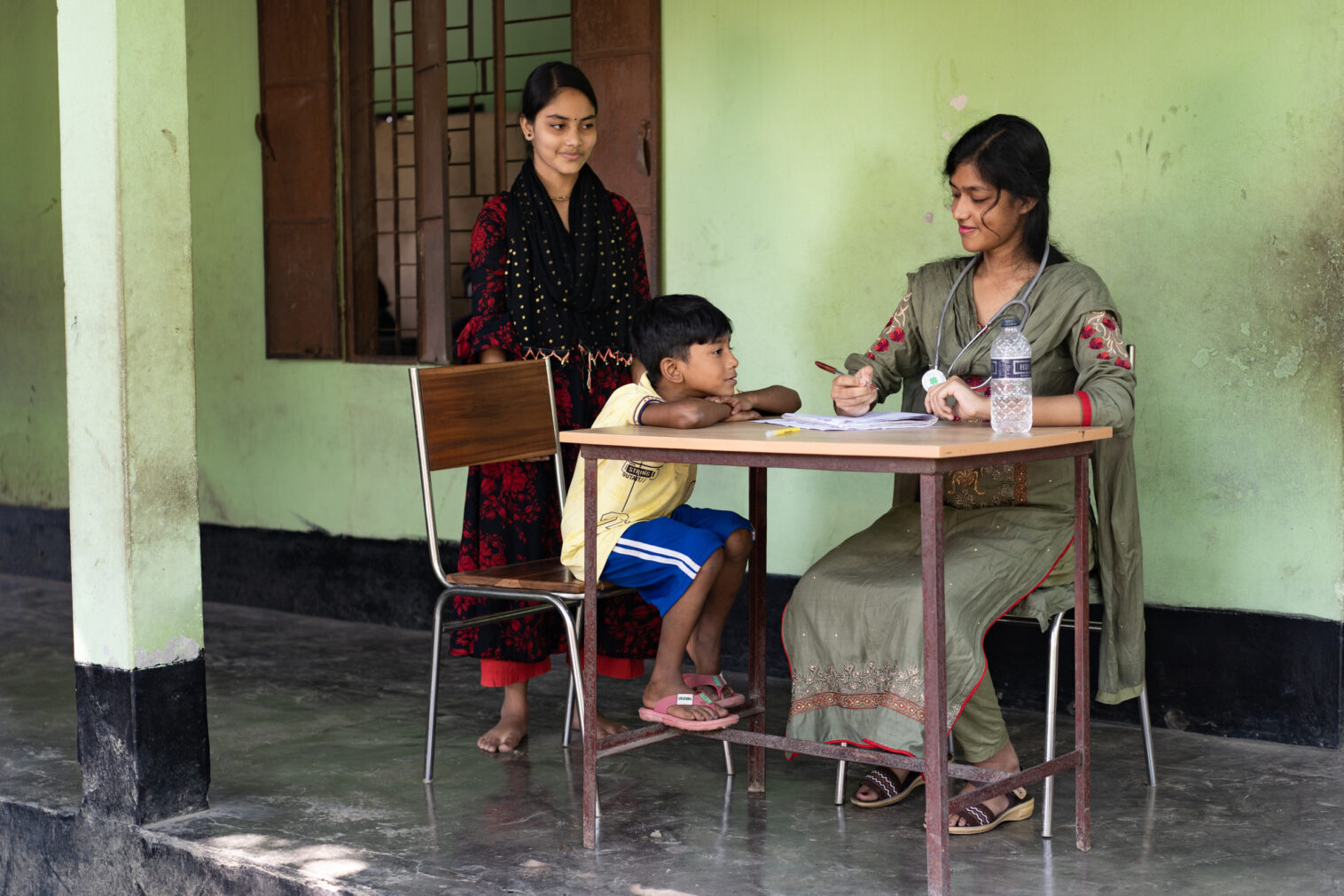
In Bangladesh, our efforts focus on advancing education for children and youth while also supporting families’ livelihoods.
In Bangladesh, many children are excluded from education due to poverty and discrimination. Over half of girls are married as children. Child brides often leave school prematurely and face a higher risk of poverty and domestic violence.
In many rural areas, understanding of the value of education is limited, and numerous families lack the financial means to keep their children enrolled in school. Climate change–driven crises hit the poorest rural families the hardest.
In Bangladesh, particularly vulnerable groups include children with disabilities, girls, refugees, and families living in slums and rural areas.
What does Fida do in Bangladesh?
Fida works to ensure that children and young people in Bangladesh have access to education and a safe living environment.
We strengthen families’ livelihoods, support education, and promote children’s rights together with local partner organisations.
Fida’s country programme operates in 38 communities in Khulna and Dhaka, and two refugee settings, including Cox’s Bazar, the world’s largest refugee settlement.
Between 2026 and 2029, the programme will directly reach around 30,000 people and indirectly benefit up to 100,000–150,000 people. Particular attention is given to Rohingya refugees, the Bihari minority, female-headed households, and families with children with disabilities.
The work is carried out in partnership with four local organisations: Ashirbad, PAOB, and VARD. The partners have strong local expertise.
What is included in Fida’s country programme in Bangladesh?
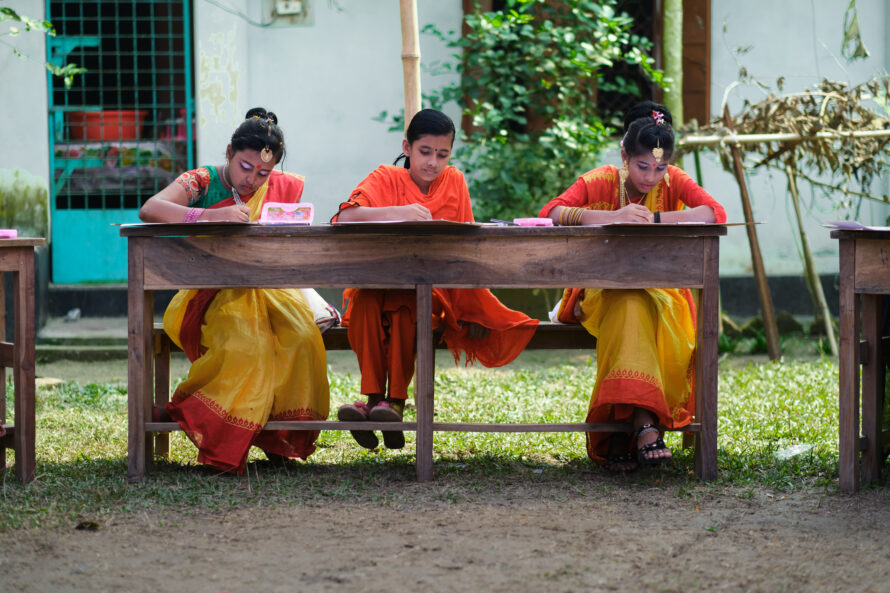
- We train teachers to use child-friendly and participatory teaching methods.
- We make schools safer and more accessible.
- We equip communities to understand children’s rights, equality, and well-being. We aim to increase awareness of children’s rights so that fewer children drop out of school, enter demanding labour at a young age, or marry early.
- We engage parents and communities in dialogue to reduce child marriage, child labour, and school drop-outs.. At the same time, we build trust and strengthen communities’ capacity to address challenges together.
- We support families’ livelihoods through vocational training, small business development, and savings groups. We place particular emphasis on strengthening the livelihoods of women and parents of children with disabilities.
- We promote children’s holistic well-being by strengthening mental health, safety, and a sense of community, so that children can grow up in safe environments and receive support for their development.
As a result of the programme, more children attend school and achieve better learning outcomes. Families strengthen their livelihoods, and communities become better equipped to support children. Discrimination decreases, and local actors increasingly promote children’s rights.
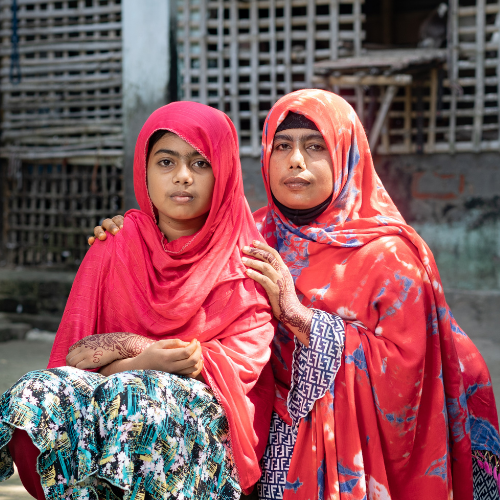
I have seen how opinions have changed and child marriages have decreased. I want to help my own daughter to study and get work.
Lipika, Bangladesh
Get to know our work
Our Country Programmes
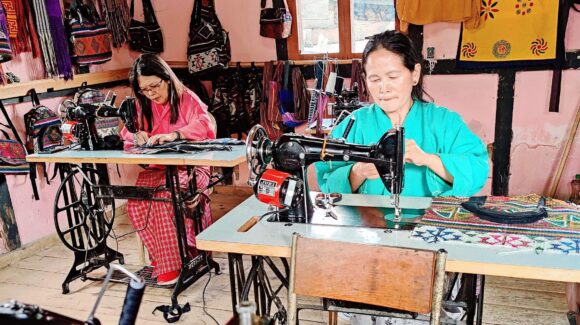
Development work in Bhutan
In Bhutan we support women’s livelihoods by organising vocational training.
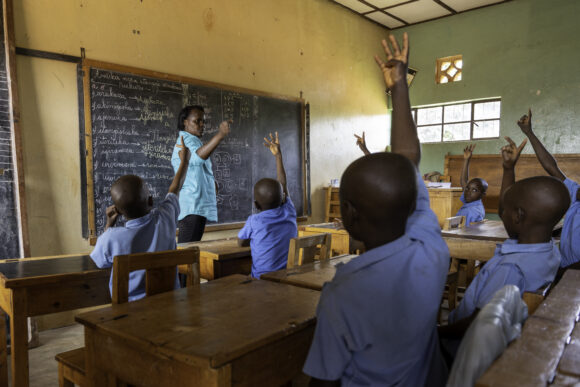
Development work in Burundi
In Burundi we support the education opportunities of children and youth.
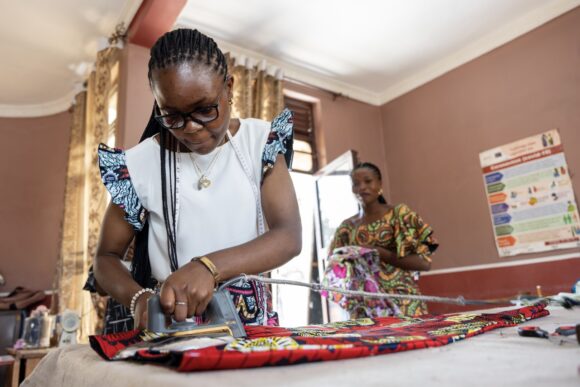
Development work in Democratic Republic of the Congo
In Congo we support children’s right to equal and high-quality education.
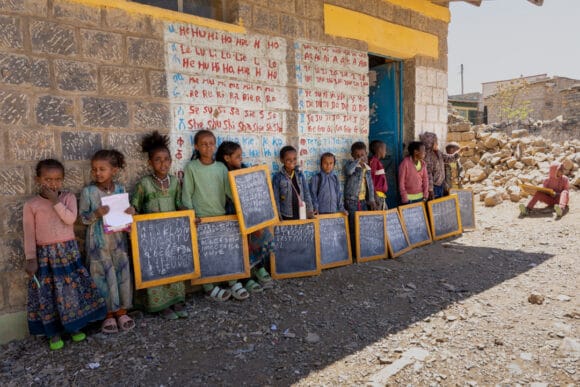
Development work in Ethiopia
In Ethiopia, we support children and young people’s education in areas affected by conflict.
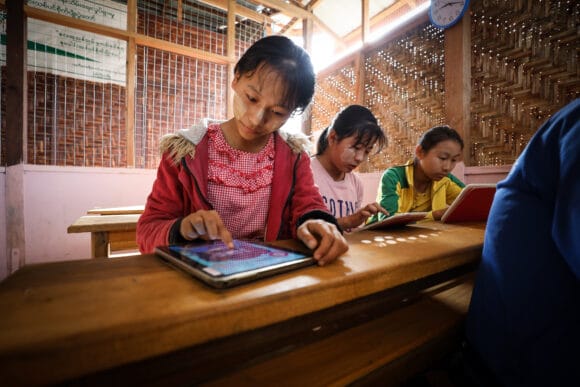
Development work in Myanmar
In Myanmar we support the education of marginalised children and youth.
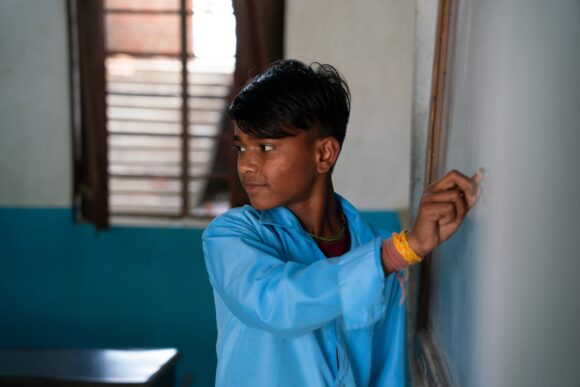
Development work in Nepal
In Nepal we support the education of children and youth.
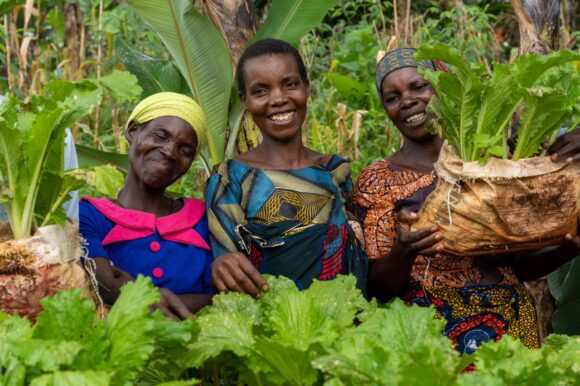
Development work in Tanzania
In Tanzania we support the education of children and youth. We especially focus on improving the status of children with disabilities.
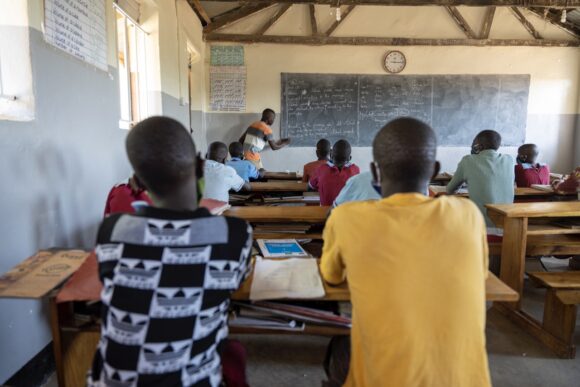
Development work in Uganda
In Uganda we support the education and livelihood of children and youth.

Fida in Ukraine
Ukraine is facing one of the largest displacement crises of our time. Fida works to support the well-being and future of children affected by the war.