 Hannu Happonen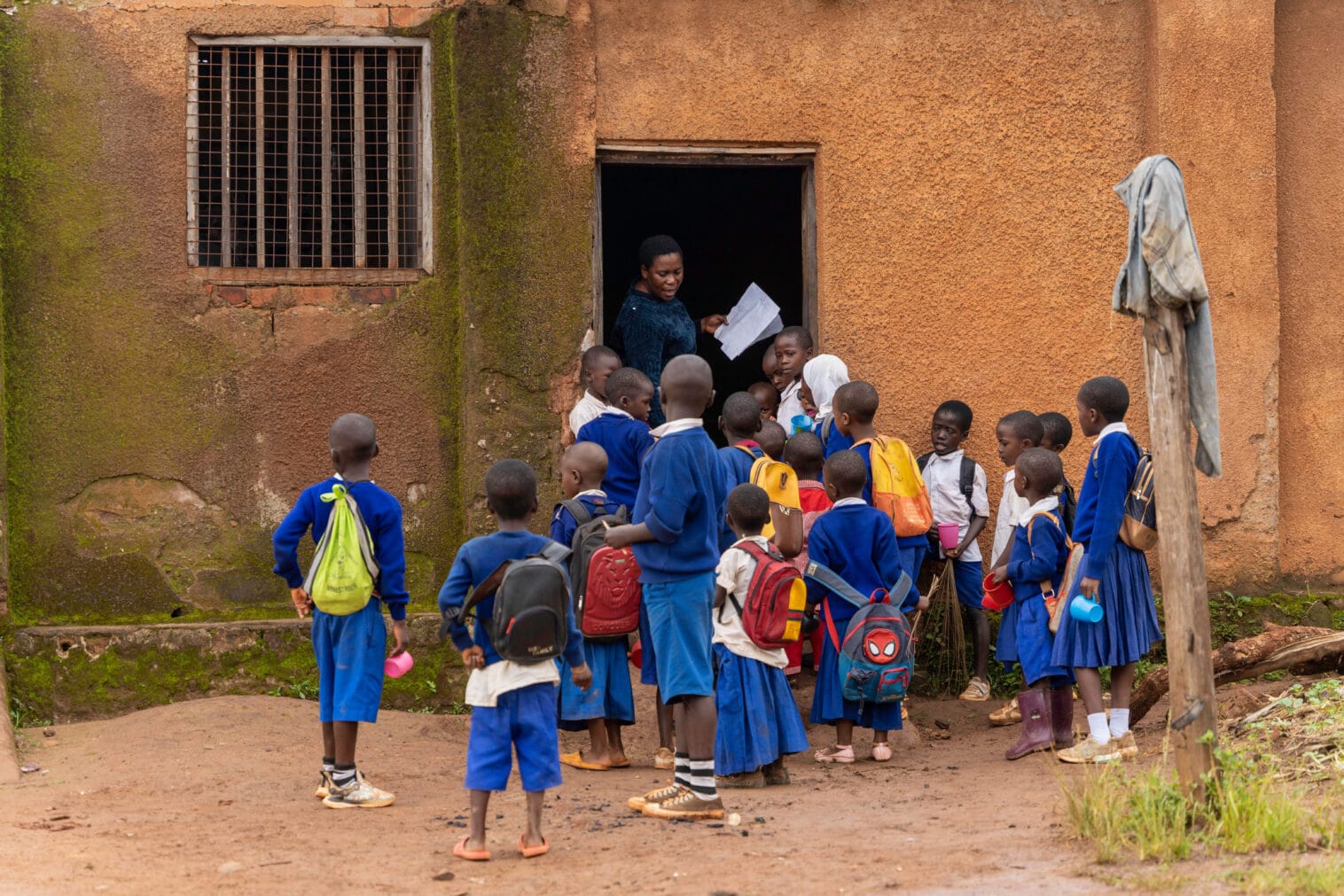
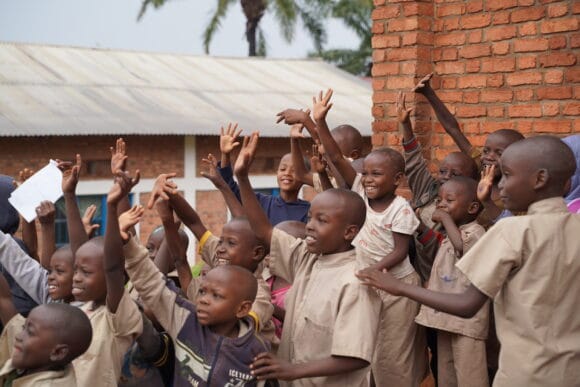
At Kalema Primary School in Tanzania, one in six pupils has a disability. The school is a great example of how attitudes toward children with disabilities are becoming more positive.
– Previously, children with disabilities rarely had the chance to attend school. They were not always considered capable or worthy of learning, says Mariam Abdallah Kondo, headteacher of Kalema School.
The school is located in Kasulussa in northwestern Tanzania, near the town of Kigoma and Lake Tanganyika. The Democratic Republic of the Congo lies to the west of the lake, and Burundi is to the north.
At Kalema School, 349 children are enrolled, of whom 57 have disabilities – around 16 percent of the pupils. By comparison, in 2021 only about 2.3 percent of children and youth in Tanzania had disabilities.
According to the headteacher, students with disabilities are an integral part of the school community.
– We cannot ignore them. They have the right to belong and to feel part of the group. They need love and the company of other children, she says.
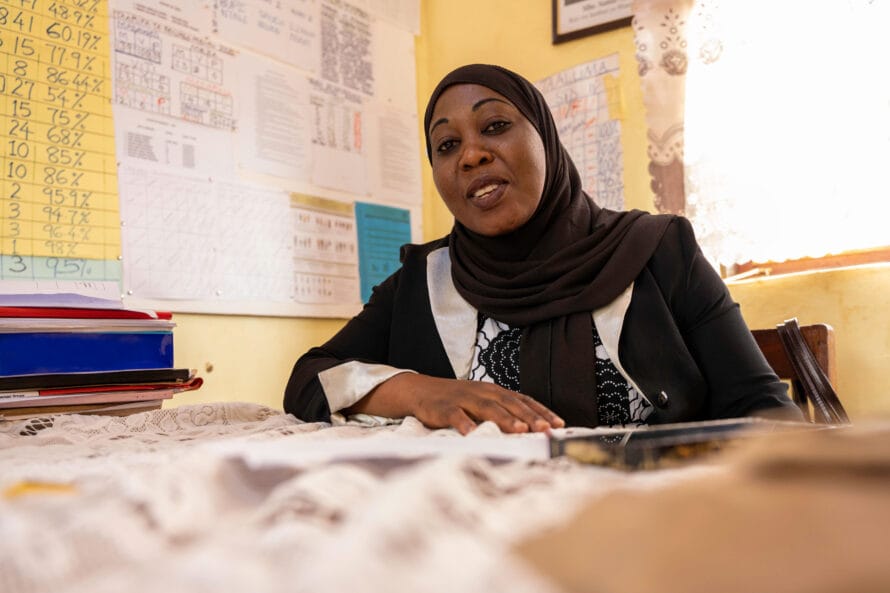
– At home, children would not learn or develop in the same way. From preschool onwards, they acquire important basic skills: personal hygiene, washing clothes, and even collecting rainwater for plants during the dry season by digging small pits in the ground.
Efforts to Promote the Rights of Children with Disabilities are Yielding Results
Kalema School is an example of the significant shift in attitudes that has taken place in Tanzania as a result of years of dedicated work. Fida collaborates with the Free Pentecostal Church of Tanzania (FPCT), the government, as well as teachers’ and parents’ associations to ensure the rights of children with disabilities are upheld.
Fida’s Tunandoto country program (“We Have a Dream”) has raised awareness in communities and promoted the rights of persons with disabilities at the legislative level. The results are clear: more and more children with disabilities are now able to attend school.
Thanks to the work of Fida and FPCT, many primary schools already provide inclusive teaching and facilities for children with disabilities. The challenge remains to extend inclusive education beyond primary school to the entire education system, including vocational institutions.
The work is supported from Finland’s development cooperation funds.