 Hannu Happonen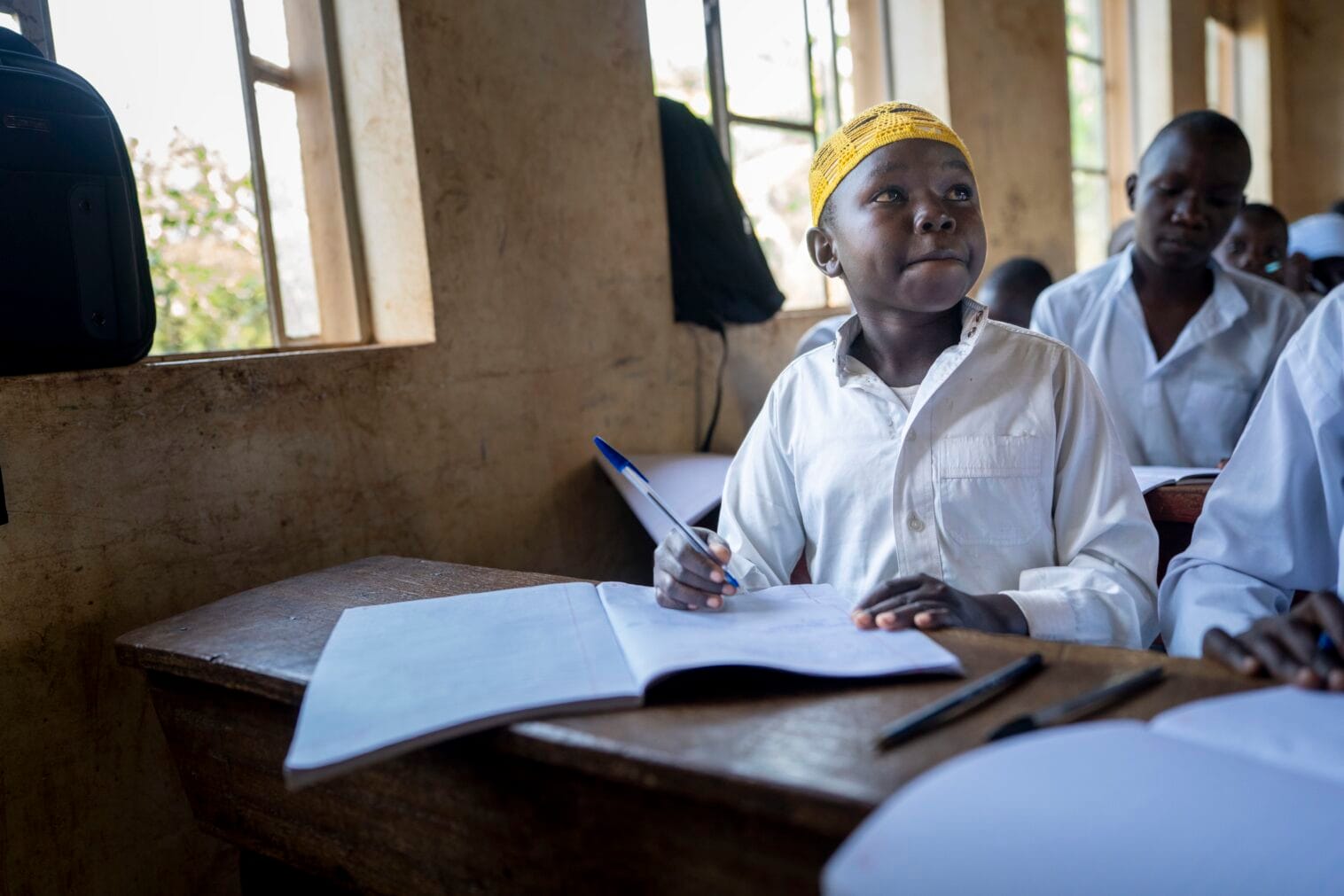
People often say that aid goes to waste. However, the results from Bidibidi, Uganda tell a different story: in four years, thousands of people have gained access to education, livelihoods, and renewed hope. Dependence on external aid has decreased significantly.
In Yumbe, northern Uganda, dozens of people from local government, schools, communities, and organizations gathered together. Their shared purpose was to reflect on what Fida’s development cooperation has achieved in the area.
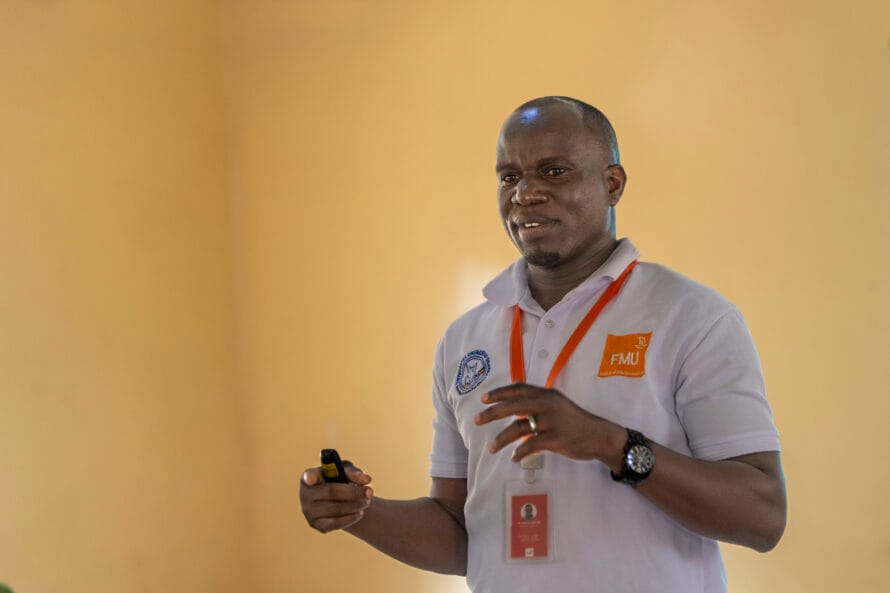
Fida’s organization coordinator Jackson Musunguzi presented impressive results to the participants. Over the past four years, Fida’s development cooperation in Bidibidi – one of the world’s largest refugee settlements – has helped the refugee community move from despair toward a more self-reliant everyday life.
Quality Education Belongs to Every Child
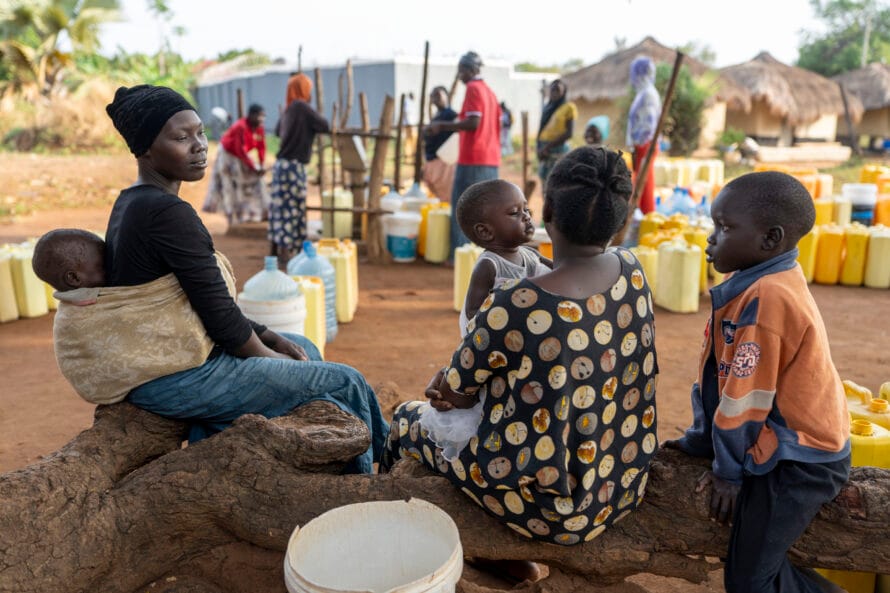
Bidibidi is one of the world’s largest refugee settlements, where many people are forced to live for years without a permanent home. Most of the residents in the area have fled the civil war in South Sudan.
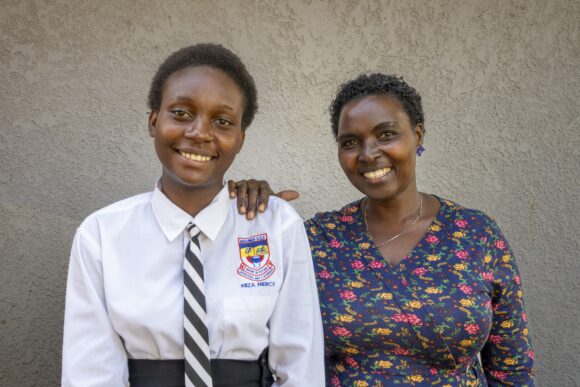
Fida’s and the Pentecostal Church PCU country program has helped children in Bidibidi gain access to school and continue their education. Special support has been directed to the most vulnerable children.
Over the past four years, 61 students have received the opportunity to attend school through sponsorship support in situations where their families’ financial resources would not have otherwise allowed it.
Teachers’ skills have also been strengthened. One hundred teachers have been trained in modern teaching methods. In addition, learning-support activities have been organized in 14 schools, improving learning outcomes and increasing students’ self-confidence.
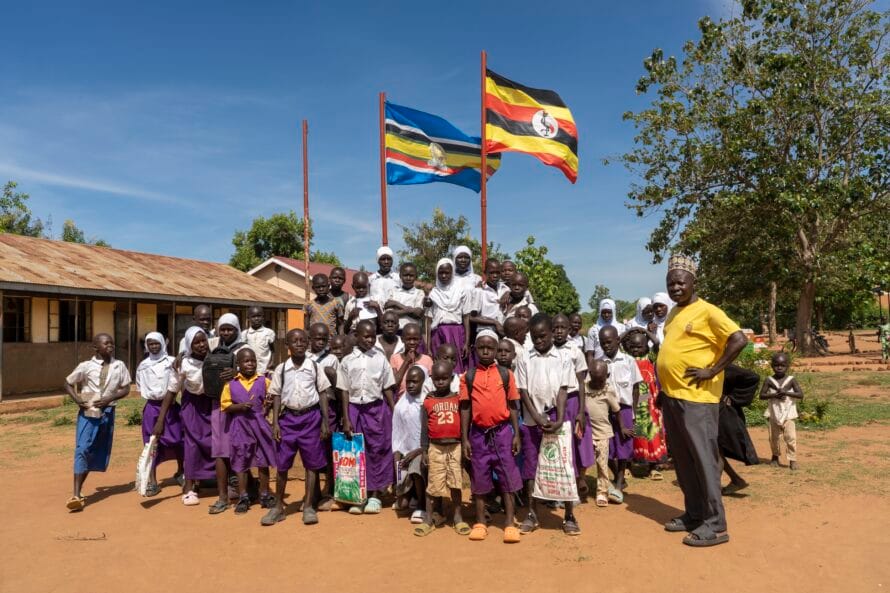
For example, at Highland Primary School, parents enthusiastically joined the parents’ club.
– We come to the school to monitor student attendance, support teachers, and encourage our neighbors to send their children to school. In the past, some children stayed at home, but now more and more of them are attending school, says the club’s chairperson Simon Ajouk.
This program has strengthened the entire region’s education system and the capacity of communities. It does not only support refugees, but the whole area.
District leader of Yumbe, Asiku Abdul Mutalibu
Around 15,000 children received information about their right to education, and parents became more strongly committed to supporting their children’s learning.
The results speak for themselves: learning outcomes improved significantly. The pass rate in exams at participating schools increased from 64 percent to 91 percent.
Local leadership also recognizes the impact of the work.
– When refugees arrived here in large numbers fleeing the conflict in South Sudan, services became overstretched. This program has strengthened the entire education system and the capacity of communities. It does not only support refugees, but the whole area, said the District Chairperson of Yumbe, Asiku Abdul Mutalibu.
Psychosocial Support Brings Hope
Refugeehood exposes people to traumatic experiences, uncertainty, and constant stress. For this reason, the program placed strong emphasis on strengthening mental well-being and supporting recovery.
More than 6,000 people received psychosocial support. In addition, 45 volunteers were trained to provide support within their own communities. In this way, the assistance was not only temporary but continues even after the project has ended.
The program also addressed issues that threaten young people’s futures, such as child marriage and teenage pregnancies. Over 1,500 people received information on sexual and reproductive health, which also strengthened trust between parents and children. An increasing number of young people were given the opportunity to grow up in a safer environment.
In addition, three new counseling centers were established for families in need of special support. More than 3,500 people were trained to prevent gender-based violence.
Towards Self-Reliance
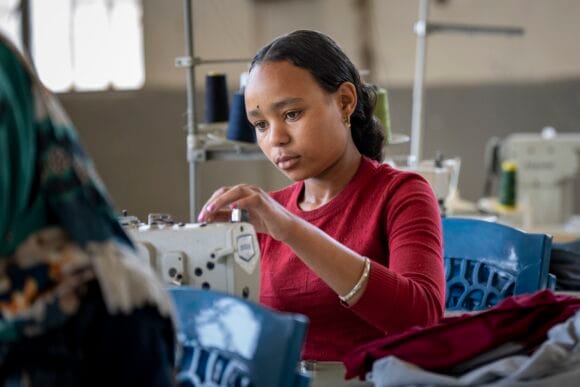
One of the biggest changes was seen in people’s livelihoods. A total of 300 families received support to strengthen their own food production: they learned sustainable farming methods, and 50 hectares of farmland were brought into use.
With Fida’s support, savings and loan groups were also established in the area, where people can save together and lend money to one another. In total, 35 groups were formed, and their combined savings grew from approximately 6,000 euros to 40,000 euros.
The change is visible in everyday life. Half of the group members have received loans for business activities or family needs. Altogether, 75 new small businesses have been established, and more and more people have been able to invest in farming, trade, and other livelihoods.
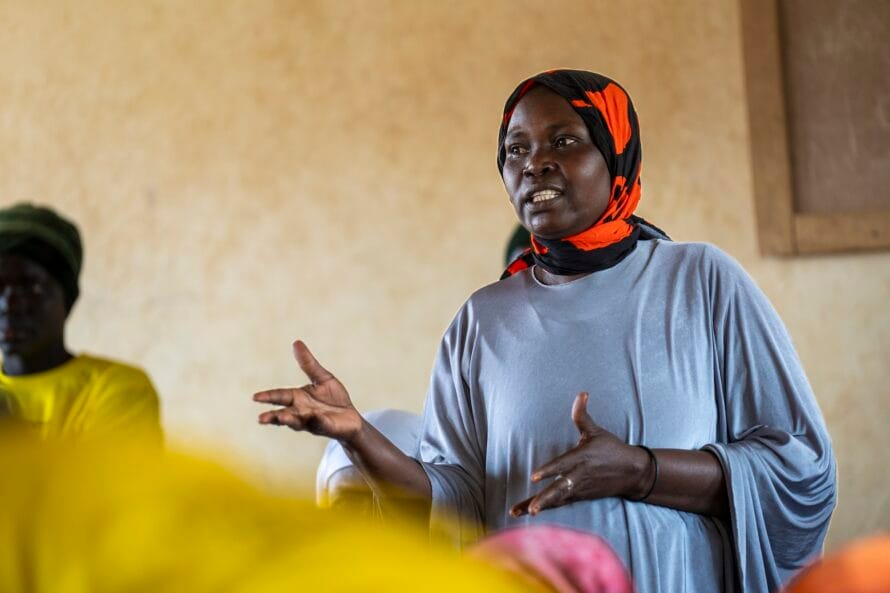
In addition, 30 small businesses received separate support. This has created new jobs and opened up even more opportunities for sustainable livelihoods.
The program also improved everyday health and hygiene in Bidibidi. Fifty households built improved latrines, and over 500 people received health education. The capacity of village health teams was also strengthened.
Jackson Musunguzi notes that the strength of the program has been its holistic approach: education, well-being, protection, health, and livelihoods go hand in hand and reinforce one another.
– The results show that sustainable change is possible even in fragile humanitarian contexts when communities themselves are at the center of the change, says Musunguzi.
—
Supported by Finland’s development cooperation funds. Fida’s country program in Uganda receives development cooperation support from the Finnish Ministry for Foreign Affairs. The program is also supported by many Finnish sponsors through their donations.