 Joonas Haverinen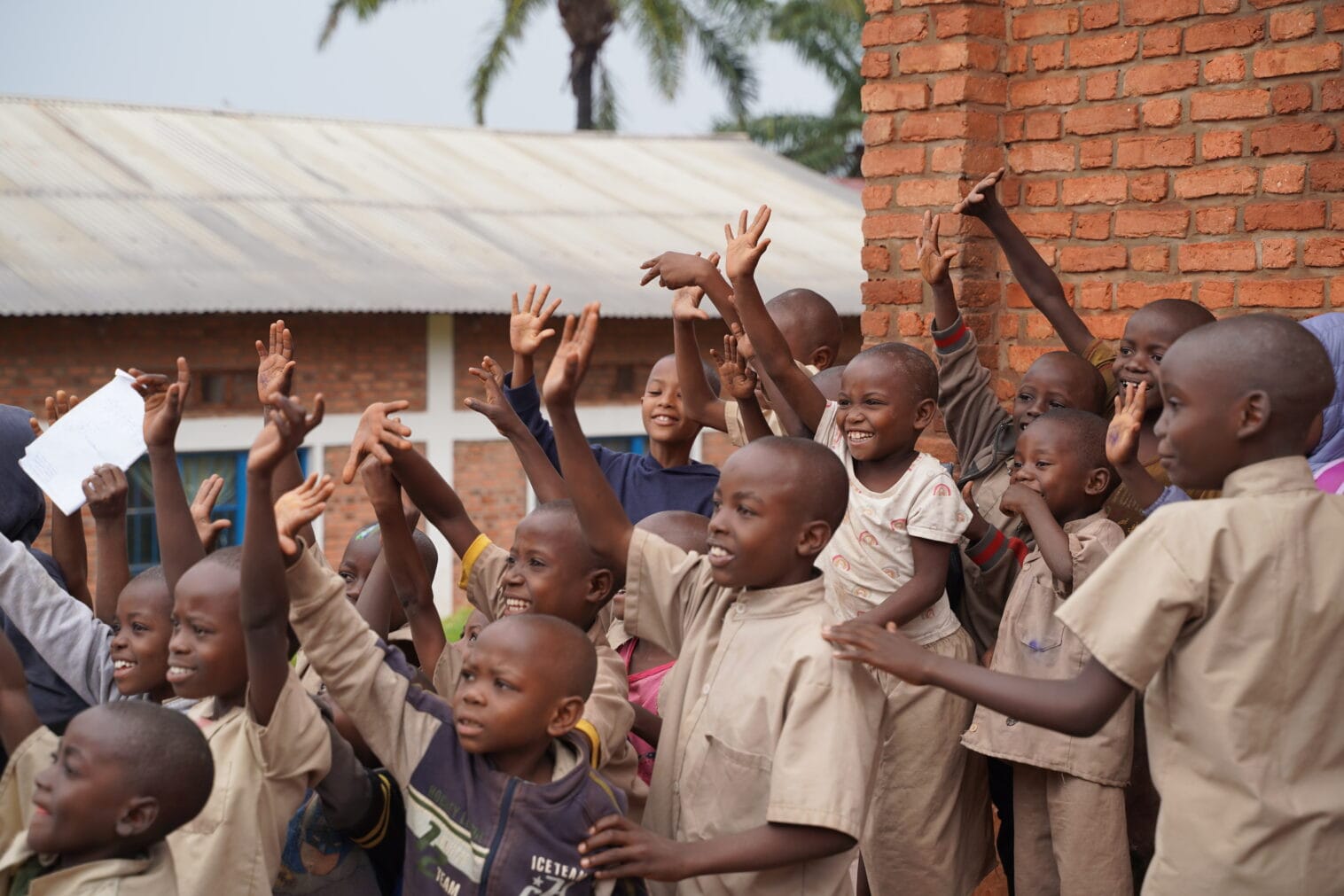
A recent evaluation shows that Fida’s four-year development cooperation programme has delivered significant results. In particular, girls’ school attendance and the inclusion of children with disabilities have improved, even though the work has been carried out in conflict-affected areas and communities facing multiple crises.
Fida’s 2022–2025 development cooperation programme has largely achieved its set objectives. This is confirmed by a newly completed final evaluation. Conducted by an external consultant, the assessment reviewed the programme Towards the Future – A Safe Educational Path and Living Environment for Children and Youth.
The central message of the evaluation is clear: Fida’s work together with local partner churches and organisations has created lasting change. The results are particularly significant given that operating conditions in many programme countries have been exceptionally challenging. Communities often live in marginalised situations without access to basic services.
Fida’s Director of Development Cooperation, Anne Haverinen, sees long-term commitment behind the results.
– It is important to remember that behind the figures and statistics are individuals – children and young people – whose entire lives have changed. Hope and confidence in the future have replaced despair. These are results we can celebrate together with our partners.
Securing Children’s Educational Pathways
At the heart of the programme were children’s and young people’s right to education and a safe environment in which to grow. The work was carried out in ten countries in East Africa, the Middle East, and Asia. In addition, the programme included global education, advocacy, and development communications in Finland.
According to the evaluation, children’s access to school improved significantly during the programme period. More children enrolled in school, and the quality of education improved at the same time. There was also a notable shift in attitudes: parents now better understand the importance of education.
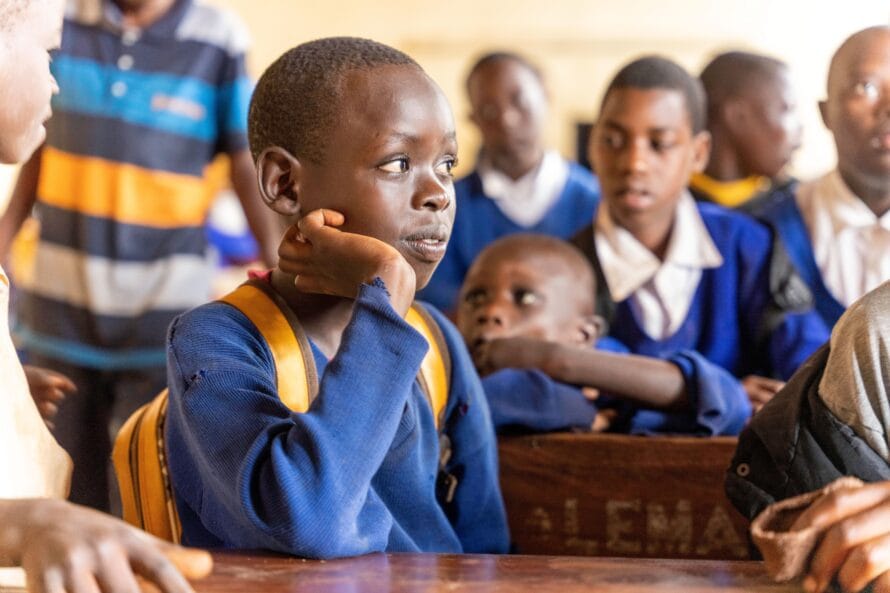
Encouragingly, the proportion of girls among school-going children increased, with girls accounting for 52 percent of all children participating in pre-primary, primary and secondary education. This is a significant achievement, as globally more girls than boys remain out of school. The gap is especially pronounced in fragile and conflict-affected contexts – precisely the environments where Fida operates.
Participation of children with disabilities in education also increased. For example, in the working areas in the Democratic Republic of the Congo, the number of children with disabilities attending school rose from 88 to 891 during the programme period. However, the evaluation notes that there is still progress to be made toward fully inclusive education in many areas. Both attitudinal and physical barriers remain.
– Strengthening human dignity and justice lies at the core of Fida’s work. Together with our partners, we want to ensure that every child with a disability has the opportunity to attend school, be heard, and find their place in the community, Anne Haverinen summarises.
Strengthening Livelihoods and Security in Communities
Alongside education, the programme strengthened the safety and livelihoods of families and young people.
Training related to sexual and reproductive health, as well as psychosocial support, helped shift attitudes and enabled young people to make safer choices in their daily lives.
The economic situation of communities improved through savings groups and entrepreneurship training. As a result of livelihood, entrepreneurship and savings training, as many as 16,000 families increased their regular income. When families have savings and sustainable livelihoods, they are better able to withstand crises.
Community safety also improved, particularly in areas where Fida implemented so-called nexus work, combining humanitarian assistance, long-term development cooperation and peacebuilding. As the impacts of peacebuilding are difficult to measure, the evaluation recommends further development of monitoring methods in this area.
Local Partners as Agents of Change
Fida’s approach is to work through local partner organisations. The evaluation commends Fida for consistently strengthening the capacity of its partners.
The programme focused on grassroots-level work, resulting in tangible improvements in schools and villages.
Cooperation with authorities has helped ensure the sustainability of results. In some countries, the work even influenced legislation or official practices, benefiting society more broadly.
Going forward, it remains important to strengthen local partners and other civil society actors. A strong local role increases sustainability and continuity.
– In the new programme period, we will invest even more strongly in localisation, ensuring that our local partners own and lead the work. This is how we secure lasting impact, says Anne Haverinen.
The results and recommendations of the final evaluation now serve as a roadmap as Fida launches its new four-year development cooperation programme. The goal is even greater impact, strengthening family livelihoods, and ensuring every child’s right to hope and a future.
The work is supported by Finland’s development cooperation funds as well as sponsors and private donors.