 Hannu Happonen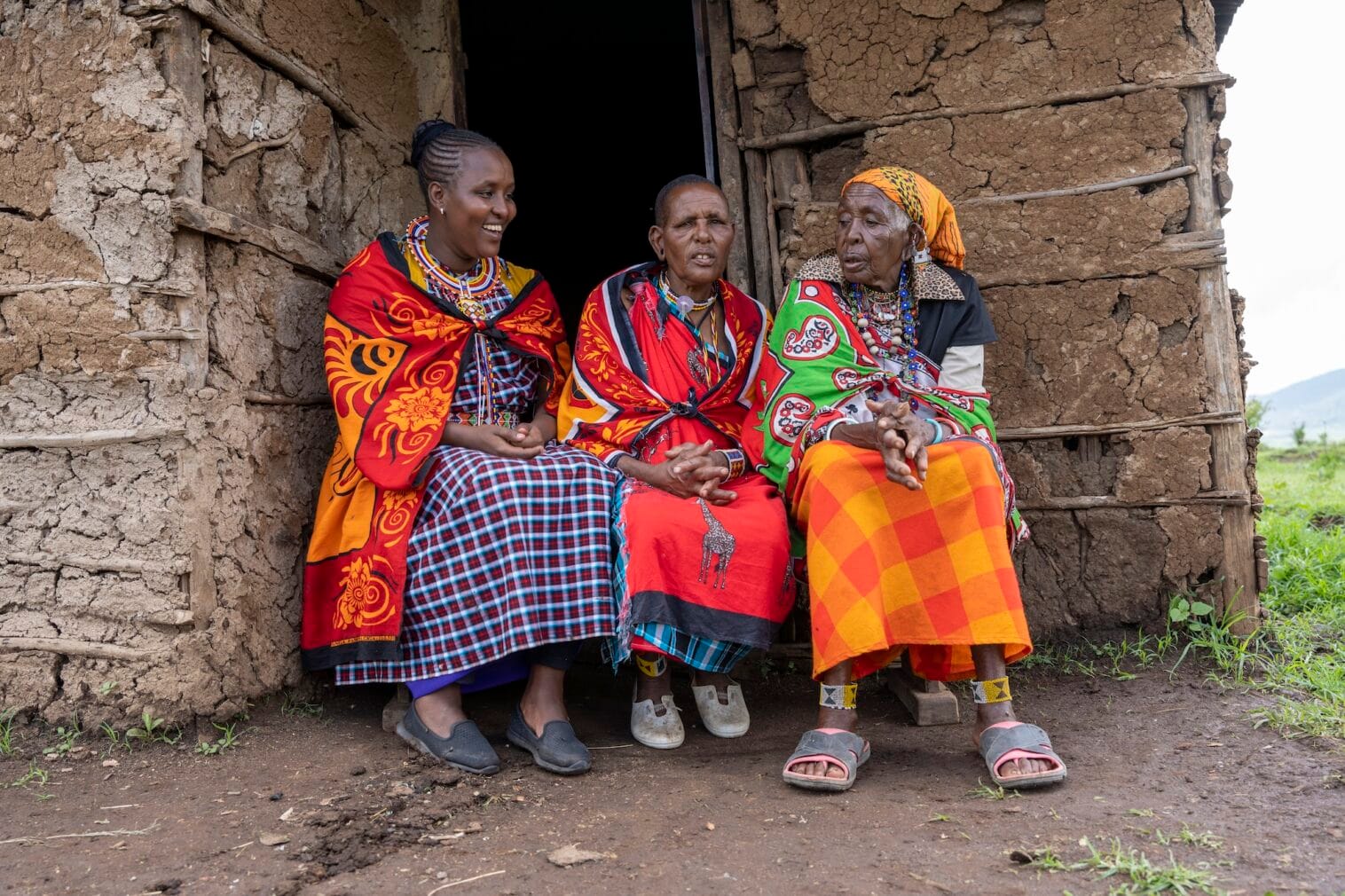
In a remote Maasai village in Kenya, three generations of women—Mary, Rhoda, and Joyce—stand as living proof that change is possible. Their story is one of courage, as a mother’s bold decision to defy tradition helped end the cycle of female genital mutilation in her family.
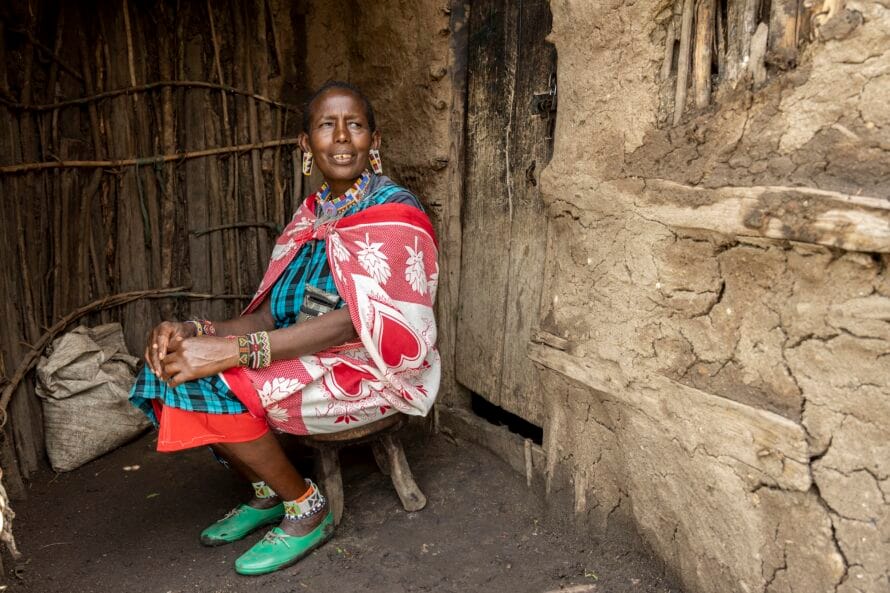
Mary Sunkuyia sits in front of her clay hut with her daughter Rhoda and granddaughter Joyce. Three generations of strong women—yet nothing in their quiet dignity reveals the deep pain they have endured.
As a young girl living in Marsabit, northern Kenya, Mary’s life changed abruptly when a Maasai warrior arrived in her village. Though she didn’t know him, her family sent her with him more than 700 kilometres away to the Loita Maasai community. She didn’t understand why.
– I thought maybe they were lending me to work for a while. I didn’t know I was going there to be married, Mary recalls.
The first thing Mary faced in her new home was terrifying: she was forced to undergo female genital mutilation (FGM) to become eligible for marriage and accepted in the community. She was not yet 18 when she became a wife and mother.
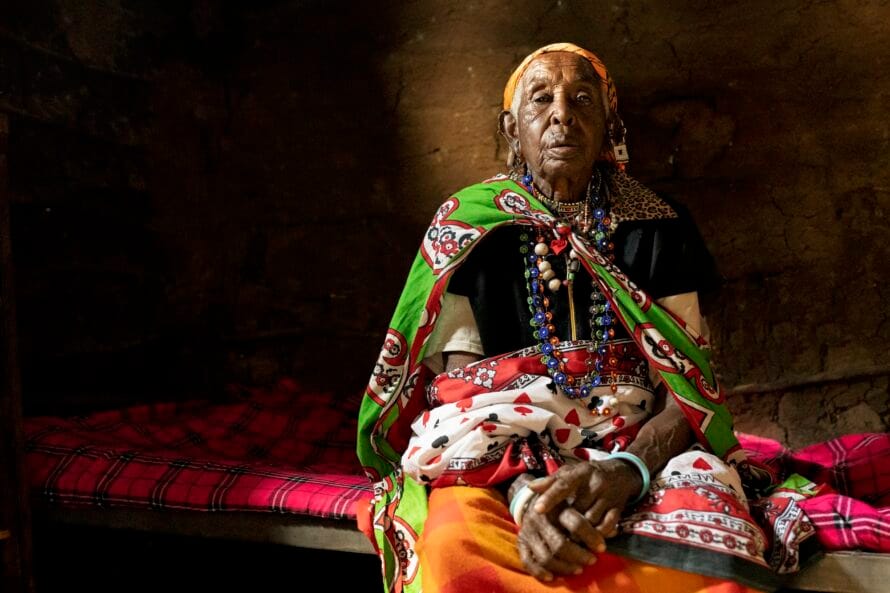
Mary explains that the cycle of FGM had been entrenched in her family for generations. She had eight children, one of them Rhoda. Like her mother, Rhoda underwent FGM before marriage.
Later, when Rhoda’s husband died, she was left to raise their four daughters alone. Two of them went through FGM and married young, unable to continue their education.
– I didn’t have older sons who could protect my younger girls. In this culture, without a husband or a boy in the family, no one can defend you, Rhoda says. – Girls have traditionally been treated like the property of their fathers and uncles.
The church’s transformative message
Everything changed when Rhoda started attending a local church. There, the pastor spoke about the physical and psychological dangers of FGM – something no one had told her before. It was new information that the church had started sharing within the community. Not everyone welcomed the message.
– I decided that my two younger girls would not be circumcised. I took them to church, asking God to protect them. After that, people refused to speak to me. They said I was cursed. I was told to leave the village.
With help from the church’s pastor, Rhoda’s two younger daughters were taken to a rescue centre. There, they were safe from early marriage and able to continue school.
Rhoda’s decision not only changed her daughters’ lives – it sparked change throughout the community..
Brave enough to choose another way
For years, Rhoda was ostracized by the community. Driven from her home, she was given a small room at the church. She survived by carrying water, making charcoal, and washing clothes. Her daughters continued their education – and both eventually graduated from university. This was unheard of in their pastoralist community.
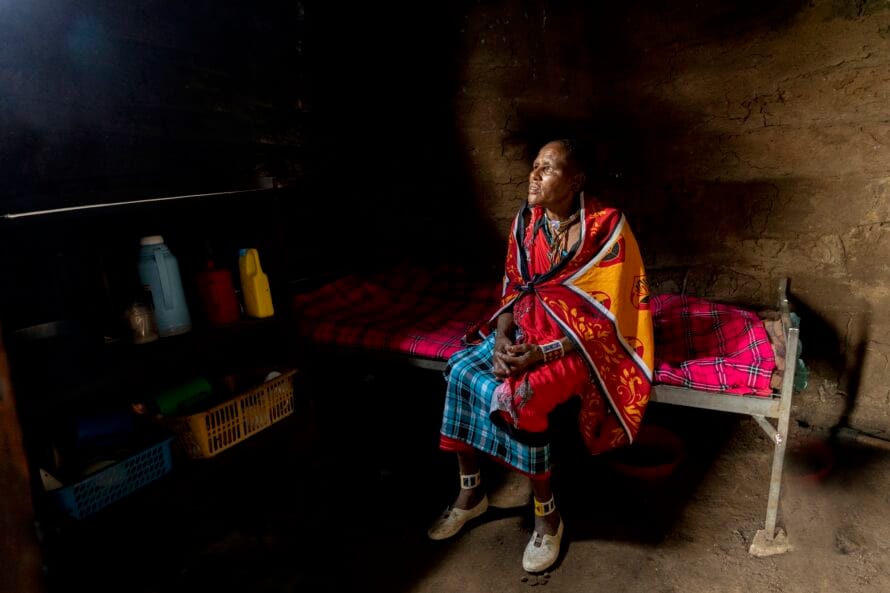
Today, Rhoda is happy she was brave enough to make that choice. It’s been a long journey. After years of rejection, the community eventually welcomed her back. She was allowed to return to her boma, her home in the village.
What had changed their minds? They saw the transformation in her daughter, Joyce.
Joyce was only 12 years old when she and her sister fled the threat of FGM. The girls walked 70 kilometers across dangerous savannah to reach safety in the town of Narok, where they found shelter in the Osotua Rescue Centre, founded by Fida’s partner, the Full Gospel Churches of Kenya (FGCK).
Joyce went on to complete primary and secondary school and eventually earned a university degree. She married pastor Francis Kipai from Loita community and today they have two children.
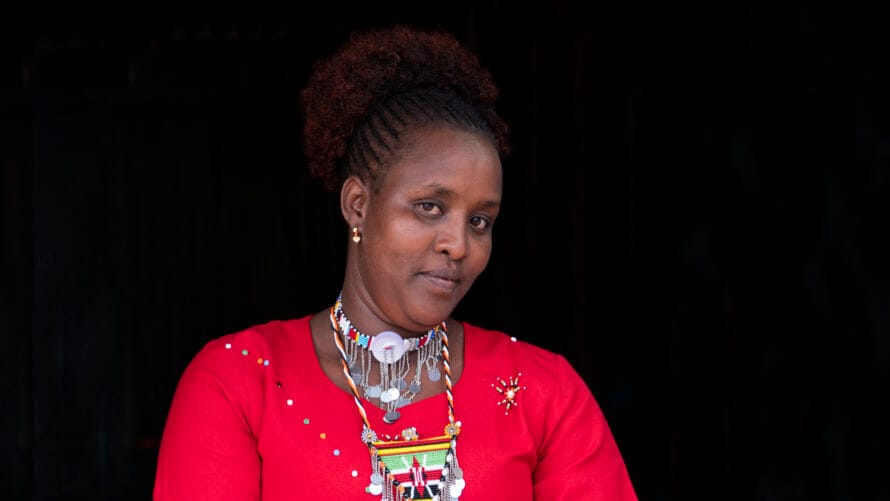
Joyce is now a living example in her home village that a girl can grow up, succeed in school, and marry – all without being cut.
In ten years, Joyce went from a frightened child at the rescue centre to a grown woman working with the FGCK and Fida in the Maasai community.
With Joyce, the cycle of FGM in her family came to an end. She has become a powerful voice for change in the Loita Maasai region.
Cross-Border FGM
FGM, the cutting and partial or total removal of the external female genitalia, is a harmful and unnecessary practice. It violates human rights, bodily integrity, and causes severe physical and mental trauma.
An estimated 650 million girls and women alive today were married before their 18th birthday. Over 140 million girls and women have undergone female genital mutilation in Africa alone. Though laws in many countries forbid FGM, culture doesn’t always recognise the modern laws.
Pastor Francis Kipai of the Full Gospel Churches of Kenya in Loita explains that Maasai communities are known for their continued adherence to their culture which accepts teenage marriages, polygamy, and female genital cut as a means of initiation.
– Among us Maasai, FGM is almost inborn. Generations have done it. So when the government says you can’t do this anymore, there’s a clash.
In some regions, FGM is not only tolerated, it’s enforced. Communities and ethnic groups that share borders sometimes cross into another country to practice FGM. There is less chance of being prosecuted when it is done in a neighboring country.
Osotua Rescue Centre
The FGCK runs a local church in Narok – the heartland of the country’s largest pastoralist Maasai population. Fida’s development cooperation programme has worked here since the early 2000s.
When the church first began outreach in the area, it shared both the gospel and a message of protection for girls: opposing FGM and child marriage. As awareness grew, girls began fleeing home to avoid these practices. This led to the establishment of the Osotua Rescue Centre in 2002.

Since then, hundreds of girls have been supported through the programme and rescued from early marriage and FGM. At Osotua, the girls are given shelter, food, clothing, counselling, education – and often, eventually, reconciliation with their families.
Today, the centre continues to offer safety and promotes alternative rites of passage that honour Maasai culture without cutting.
Breaking the cycle
Changing deeply rooted traditions is not easy. Real change must come from within the community.
– We must reach the custodians of the culture, the cultural chiefs, says Pastor Francis. They are the ones who can spread change from the inside.
The story of Mary, Rhoda, and Joyce shows that the cycle of FGM can be broken.
Pastor Francis Kipai was once warned by other Maasai men that marrying an uncircumcised woman would bring death or childlessness. But he chose love and truth.
– Today I can stand before my people and say: that myth is not true. I’m alive, and I have two beautiful children with a woman who was never cut. I am a true Maasai.
Maasai women find their voice
Real change is happening in Loita area, as pastor Francis tells us, that almost all school going aged girls today are allowed to access formal learning institutions.
– We have many girls who progressed to degree, diploma and certificate level as compared to 20 years ago, he says.
– Since the Full Gospel church incepted anti-FGM and forced early marriages trainings in Loita, there has been a tremendous decrease in FGM cases reported in the community.
According to Francis, the gender equality trainings organized through the work of Fida and FGCK have also made churches more open to Maasai women, who previously had little voice or influence.
– Many women are incorporated in church leadership and over 20 women sit in our monthly local church council. We also have churches led by women!