
Categories Article

Read more
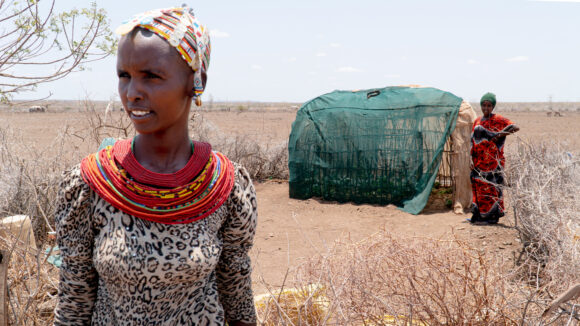
Evaluation report: Country programme in Kenya exceeded expectations
Fida commissioned an external evaluation of development cooperation in Kenya. It found that the work over the last five years has been highly effective and has contributed to both Kenya’s and Finland’s development goals.
Categories Article
Read more
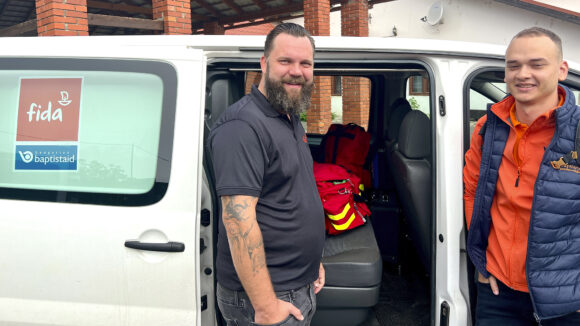
“This has been a lifeline for many people” – Help reaches its destination in Ukraine
Fida’s Ukraine collection has already raised €1 million. This will allow us to continue our support in 2023.
Categories Article
Read more
Education on the Terms of Culture – Roma in the Balkans Have Their Own Bible School
A new Bible school has been launched to serve evangelical Roma churches in Slovenia, Croatia, Serbia, and North Macedonia. The school aims to provide training that takes into account Roma culture and identity.
Categories Article
Read more
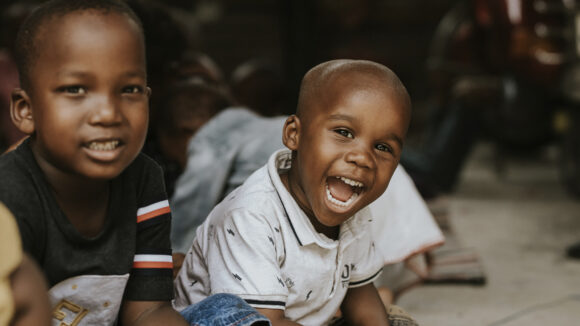
Tanzania’s Pentecostal churches invest in Sunday schools
More than half of Tanzania’s population is under the age of 20. The children of big cities are a large group unreached by the gospel. Nevertheless, activities aimed at children have not been considered important in local churches. Teacher training is limited to a few seminars, and there is a shortage of both materials and teachers.
Categories Article
Read more
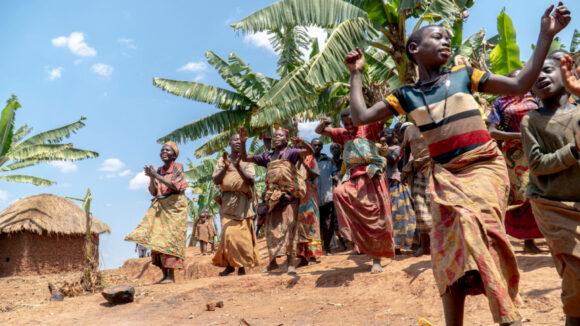
Change under the shade of Banana Trees –Read how a Small Burundian Village Is Rising Out of Poverty
The village of Rusengo in Burundi has undergone enormous change in just a few years. It shows that a lot of good can come out of a seemingly hopeless starting point.
Categories Article
Read more
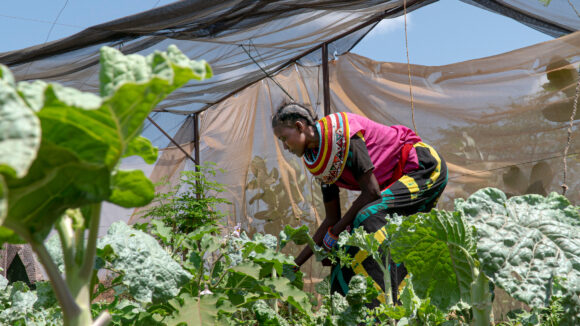
An oasis in the middle of the desert
In the middle of the Kenyan wilderness, an oasis has been created. Research results show that clean water and farming practices developed for harsh conditions have resulted in significant change there. Unlike previous generations, children no longer suffer from hunger.
Categories Article
Read more
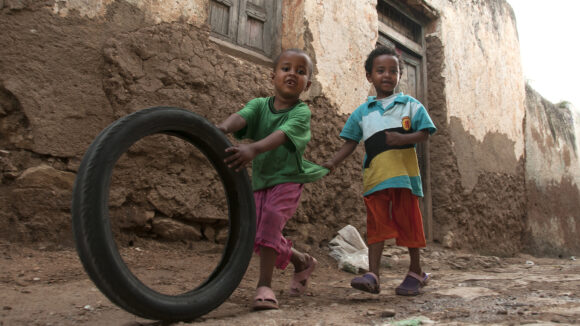
Fida’s Development Cooperation work in Ethiopia
Ethiopia is one of the poorest countries in the world, and conflicts between different groups of people have been going on in the country for decades. Development has been slowed down by armed conflicts, natural disasters, and the coronavirus pandemic.
Categories Article
Read more
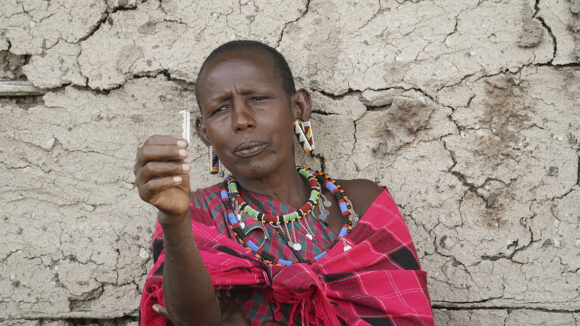
I wish our children didn’t have to go through mutilation
Melita Koye, from Kenya, gave up on the practice of female genital mutilation (FGM) after understanding its harmfulness. Today, she does awareness work against FMG, supported by her church and Fida.
Categories Article

Read more
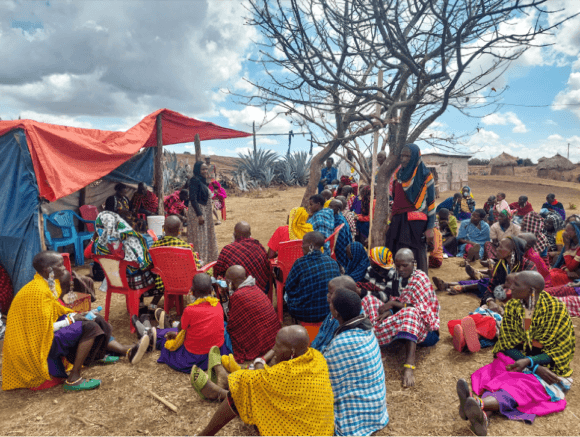
Village Saving and Loan groups improve quality of life
The Village Saving and Loan Association groups have empowered women economically. The livelihoods and financial wellbeing of households have improved.