 Joonas Haverinen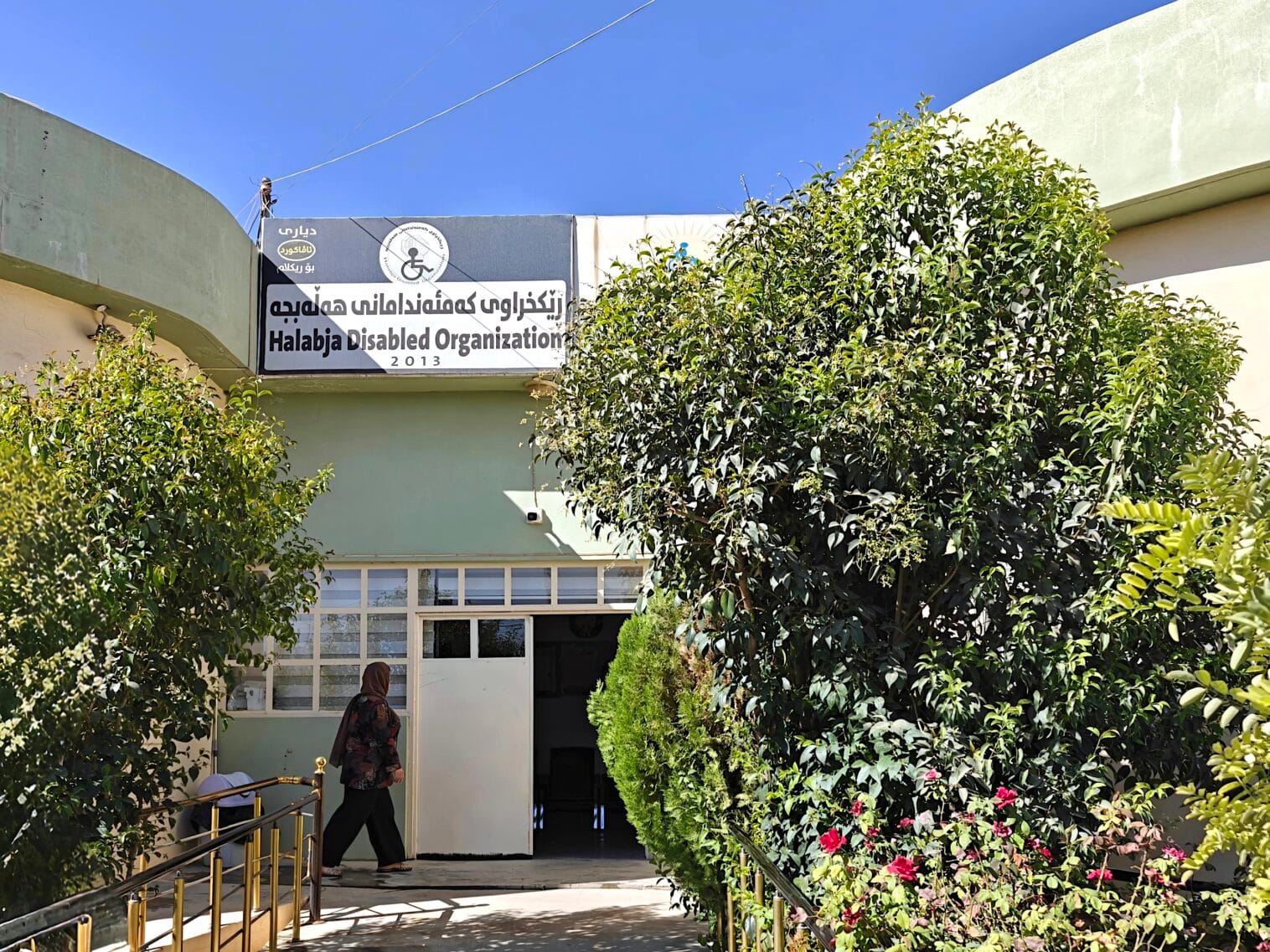
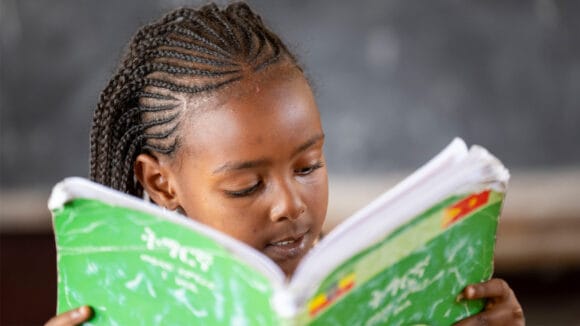
Previously, school doors in Halabja were closed to children with disabilities. Thanks to persistent advocacy, they can now attend school.
In 1988, Iraq’s then-dictator Saddam Hussein attacked the civilian population of Halabja with chemical weapons. About 5,000 people were killed instantly, and the psychological trauma has been passed down through generations. The city has also seen a higher-than-average number of children born with disabilities as a result of this violent history.
For a long time, children with disabilities had no access to education. This was due to the shame experienced by families, misconceptions about the abilities of children with disabilities to learn, and insufficient support for disabled students in schools.
To tackle this issue, local residents established the Halabja Disabled Organisation (HDO) in 2013 to promote educational opportunities for children with disabilities. Fida began collaborating with HDO in 2016.
Over ten years of cooperation, HDO has grown into a significant regional advocate for the rights of people with disabilities. The organisation has earned the support of both the community and local authorities.
And for good reason. By 2024, the number of children with disabilities attending school in Halabja has doubled. Among all school-going children with disabilities, the share of girls has risen from 15 percent to 57 percent.
When children have meaningful activities, parents gain opportunities, such as being able to go to work.
The change has been driven by shifts in attitudes among both parents and authorities. Achieving this has required persistent advocacy, with Fida supporting HDO by, among other things, training its staff.
– Parents in the area previously held prejudices and misconceptions about education for children with disabilities, so raising awareness across the community has been crucial, says Shwan Shareef, Fida’s development cooperation coordinator in Iraq.
– There were previously no activities for children with disabilities in Halabja. Parents have said that they themselves have benefited as well – when children have meaningful activities, parents gain opportunities, such as being able to go to work, Shwan summarizes.
Education at the Heart of Everything
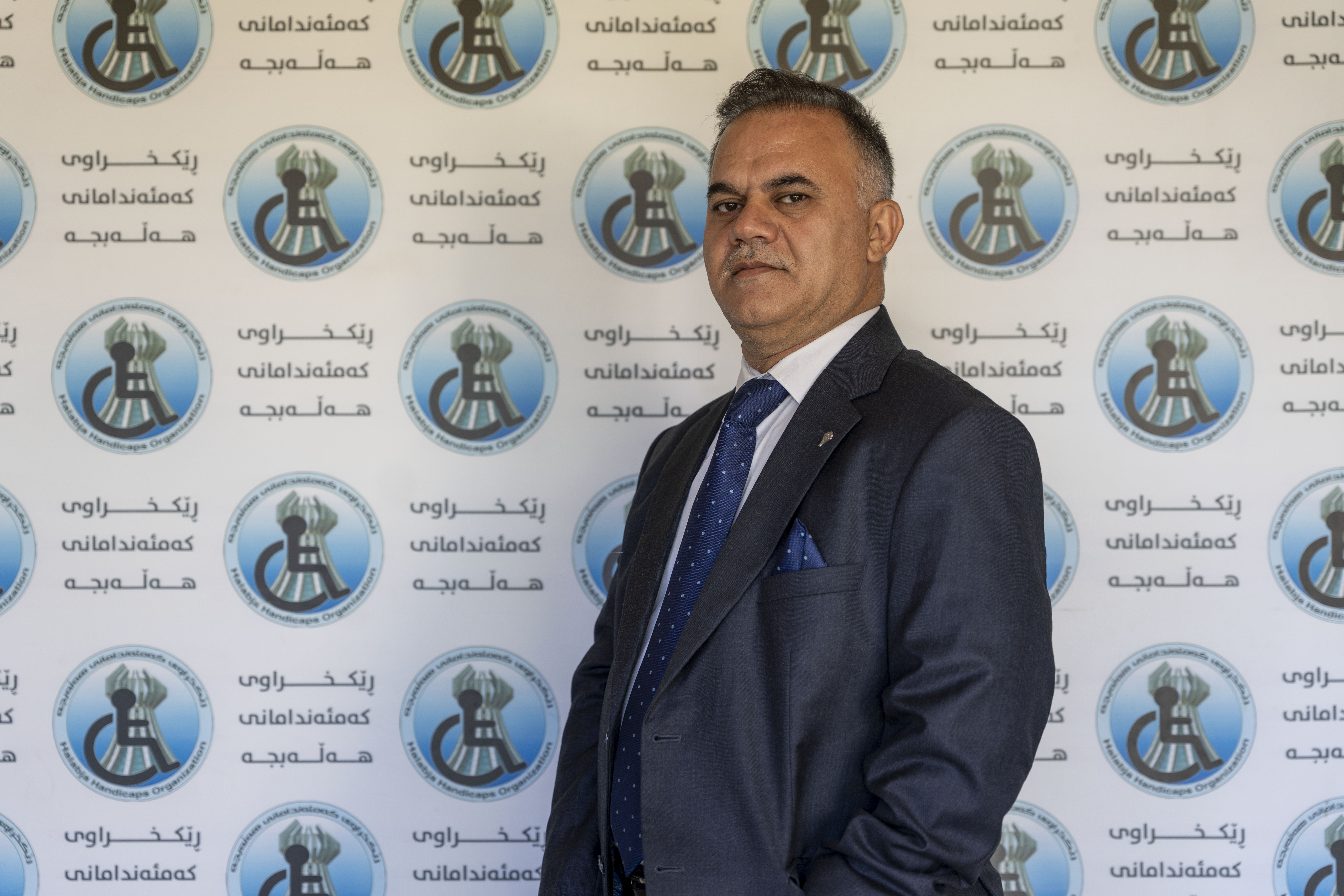
Mariwan Rashid, executive director and founder of HDO, explains the purpose and goals of the organisation. As a child, he himself had to flee the 1988 chemical attack to Iran. By profession, he is a teacher. Rashid has a clear understanding of why education plays such a crucial role in the lives of children with disabilities.
– At HDO, we aim for people with disabilities to live as valued members of their community, Rashid begins.
– This is not possible without access to education, because without literacy and numeracy skills, life becomes challenging for a person with disabilities, Rashid continues.
Changes in Decision-Makers’ Approaches
The positive attitude of the local authorities is personally confirmed by Soran Mustafa, the education director of the Halabja region.
– We have witnessed the impact of Fida’s and HDO’s work in Halabja. For example, guidelines under the Ministry of Education have changed thanks to your efforts, Mustafa says.
Previously, children with disabilities were not officially accepted into the school system. Even teachers sometimes sent children with disabilities back home because they did not know how to support them.
Today, Halabja has a medical committee specifically focused on the education of children with disabilities, which assesses and diagnoses the children. Most children with disabilities now gain access to school through this process. Only children with more severe forms of autism spectrum disorder are referred to a special centre.
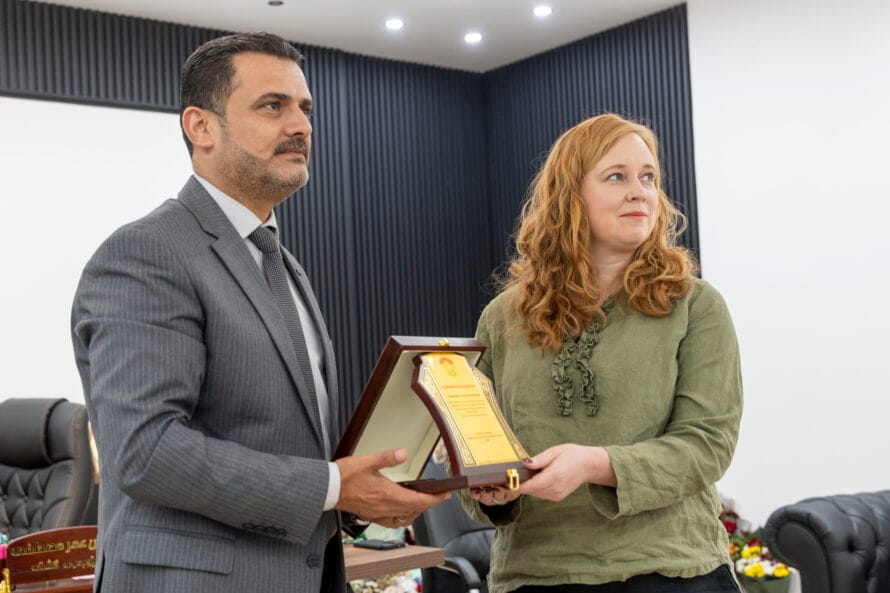
Education director Soran Mustafa outlines the results of HDO’s and Fida’s advocacy work. School accessibility began improving with the construction of ramps in 2017. Exams have been simplified for children with disabilities. Teachers have participated in training on inclusive education, with attendees coming from neighboring districts. Resource rooms have been introduced in schools to provide specialized support for children with disabilities. By 2025, over 600 children with disabilities are attending schools in Halabja.
– Fida chose exactly the right partner organisation in Halabja, Soran Mustafa concludes.
Shifts in Families’ Attitudes
Reaching this point has required a great deal of work. In addition to authorities, attitudes within families also had to change, says Niyan Sleman, head of mental health and psychosocial support, who has worked at HDO for ten years.
– At the very beginning of our collaboration with Fida, I was surprised: our research showed that there were many girls with disabilities, yet we did not see them in school. Parents told us that their daughters did not need an education, Sleman recalls.
A lot has changed over the past ten years. HDO campaigned and raised awareness, held seminars, published bulletins, and visited families. Gradually, change happened.
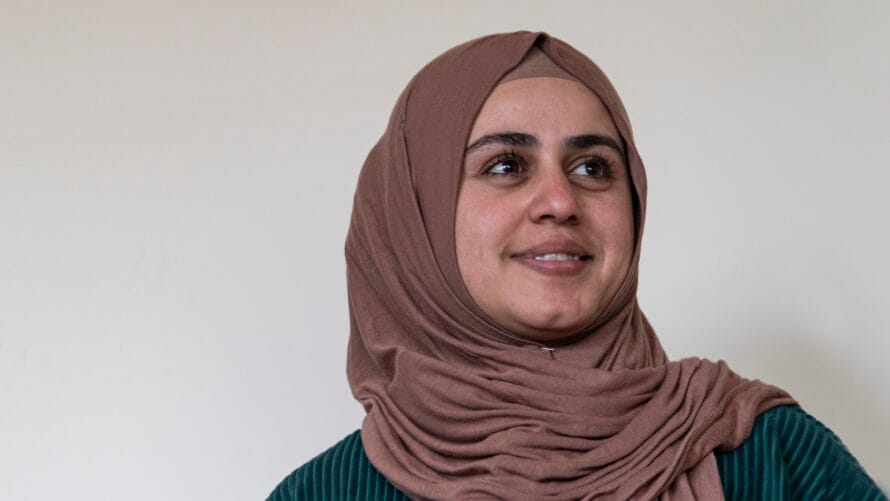
– It is emotional to reflect on how many attitudes the program has been able to change. Today, parents talk about their daughters and how happy they are to be able to attend school, Sleman says moved.
Prioritizing Mental Health Support
Even though more children with disabilities are now able to attend school, challenges remain. Halabja’s traumatic history continues to affect the mental health of people in the second and even third generations.
– Many children experience conditions such as post-traumatic stress disorder and anxiety. Without psychosocial support, no project can succeed, says Niyan Sleman.
– Ten years ago, when our collaboration with Fida began, psychosocial support was not part of our work. Today, we have several initiatives that strengthen psychosocial support, such as peer support groups, Sleman explains.
Niyan Sleman has a clear message regarding the mental health and psychosocial well-being of children with disabilities:
– Children who have access to psychosocial support from their families, friends, or teachers demonstrate higher self-confidence and better academic performance, she summarizes.
Partnership Ends, Work Continues
Fida’s work in Halabja and elsewhere in Iraqi Kurdistan concluded at the end of 2025. The ten-year collaboration with the young and emerging local organisation, which began in 2016, has produced remarkable results. However, the work of Halabja Disabled Organisation does not end here.
– From the start, Fida allowed us to take ownership of the work. This is exceptional compared to other international organisations, says executive director Mariwan Rashid.
Halabja Disabled Organisation has already held training sessions and seminars in other cities to help spread inclusive education practices to neighboring districts. Expanding further, however, requires additional capacity and practical resources, such as offices and staff.
– The collaboration with Fida was fundamental because our organisation was just getting started at the beginning of the partnership. Later, other opportunities also opened up for us because Fida enabled our growth, Rashid summarizes.
The work has been supported with Finnish development cooperation funding.