 Joonas Haverinen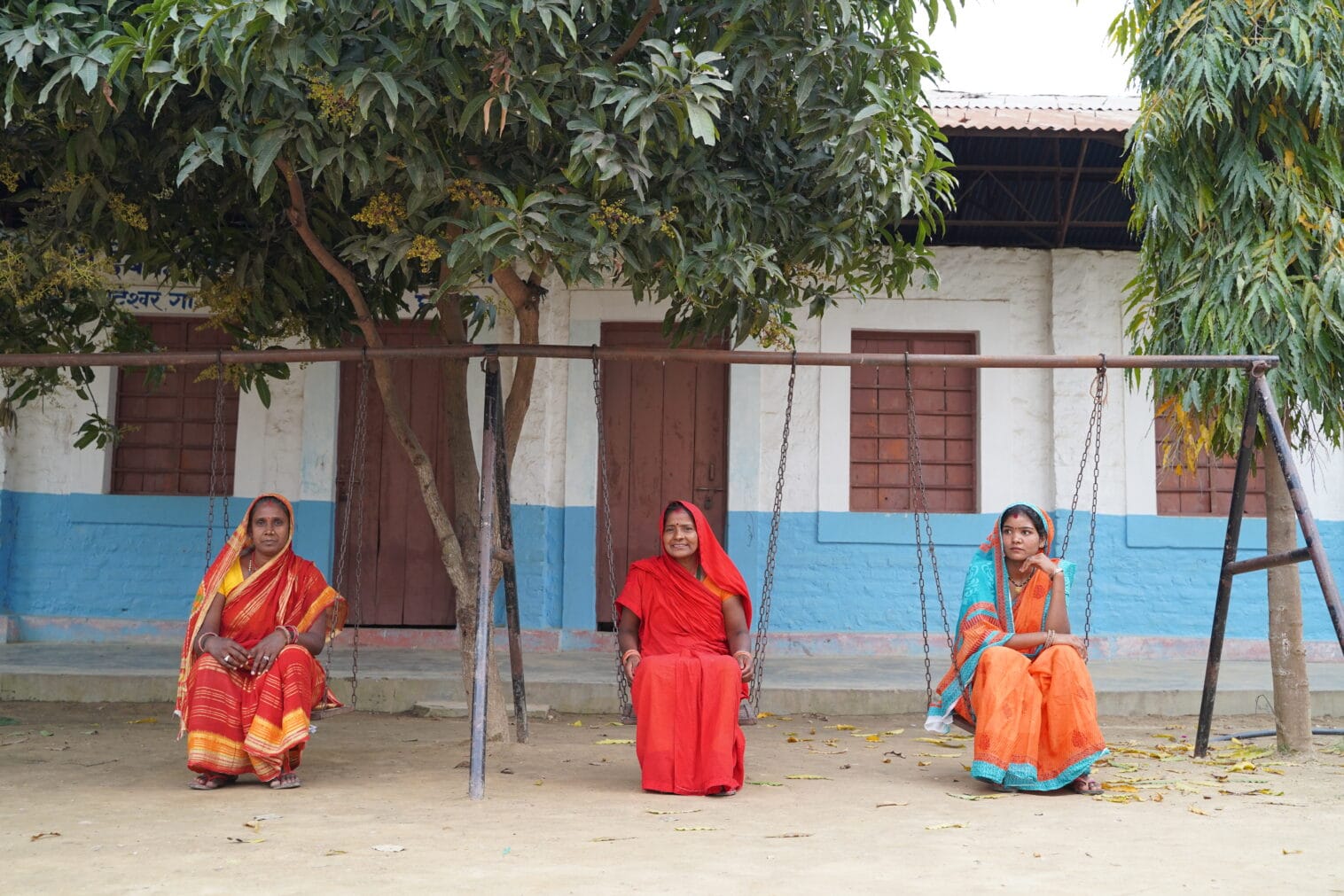
Many men from rural southern Nepal have migrated to Gulf countries for work due to limited job opportunities in their homeland. Meanwhile, women stay behind to care for their homes and children while also building their own livelihoods through farming and entrepreneurship. Their increased income directly benefits their children as well.
Three women sit on swings in the Bateshwar region, a lowland area in southern Nepal. Their children attend the beautiful school behind them.
One major challenge for women in Nepal is finding employment. Many of their husbands have migrated for work, but for the wives left behind, the situation is no easier. Women’s education levels are generally low—if they have had the chance to attend school at all.
Phul Kumari Mahato, dressed in red and sitting on the middle swing, describes the difficult reality:
– As a mother, my duty is to try to provide an income for my family, but women here struggle to find jobs. This is something I would like to see a change in, she says.
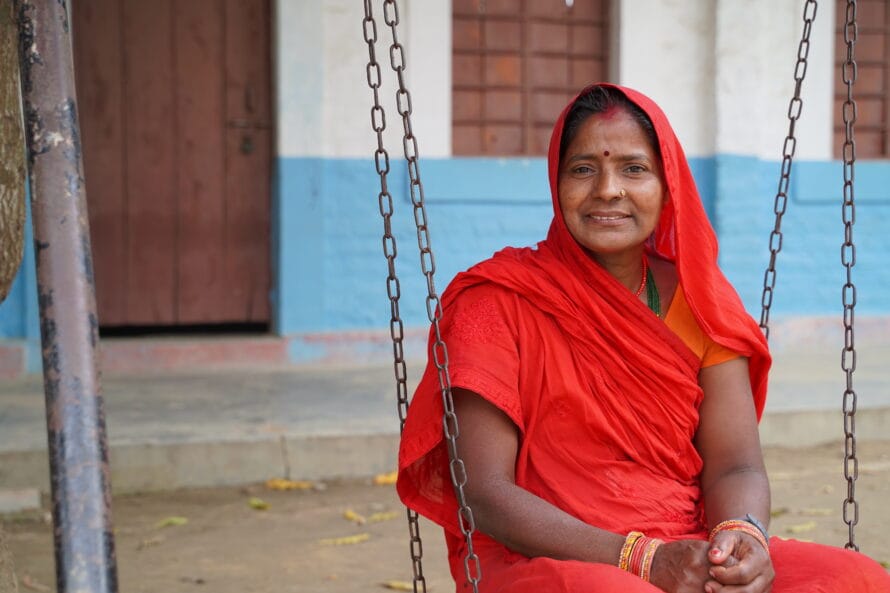
However, Mahato happily shares that some time ago, she attended a training programme on organic farming and small-scale entrepreneurship organised by Fida and Relative Nepal.
– Through the training, both my skills as a farmer and my livelihood have improved. Now I can earn an income by selling my chilies, she says.
Like many other women who participated in the training, Phul Kumari Mahato wants to use her improved livelihood to fulfill her dream as a mother. She says she invests her increased earnings in supporting her children’s education.
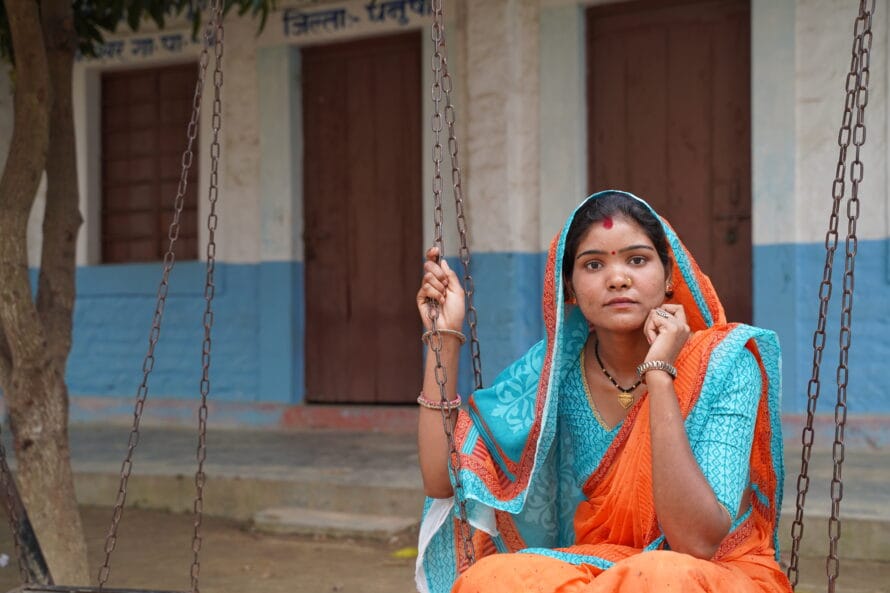
Fida and Relative Nepal have also organised training sessions for women in the area on children’s rights. After the training, the women formed a mothers’ group to support their children’s education together. One of their key goals is ensuring that girls can attend school even during their menstrual periods.
These three members of the mothers’ group know the importance of education. Two of them attended school up to sixth grade, while one never had the chance to start school at all. This is precisely why they are determined to educate their children—so they won’t have to seek work abroad for a better livelihood.
– I hope my children receive a higher education than I did, and complete their school paths, says Sanjila Kumari Mahato.
Their goal is a better future. Like many other nepali men, Sanjila Kumari Mahato’s husband is a migrant worker. Working conditions for migrant labourers in the Gulf countries can be extremely poor, and human trafficking also occurs.
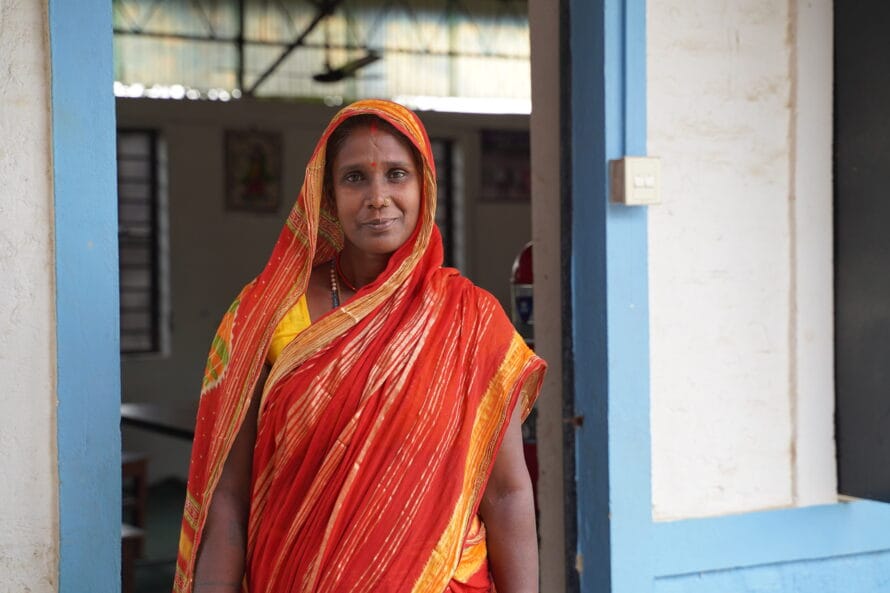
Soshila Kumari Mahato shares that she dreams of a future where families in her village can stay together.
– A higher education level for our children will help them find work. Parents can serve as role models and support their children’s education, she emphasises.
Fida’s and nepali partner organisations’ impressive results in 2024:
- Over 5,700 mothers participated in training on children’s rights and the importance of education.
- Over 6,300 caregivers attended parent meetings in target areas, with 6,000 of them being mothers.
- Over 250 women gained new skills to strengthen their livelihoods.
This work is supported from Finland’s development cooperation funds and many Finnish child sponsors.