 Katja Köykkä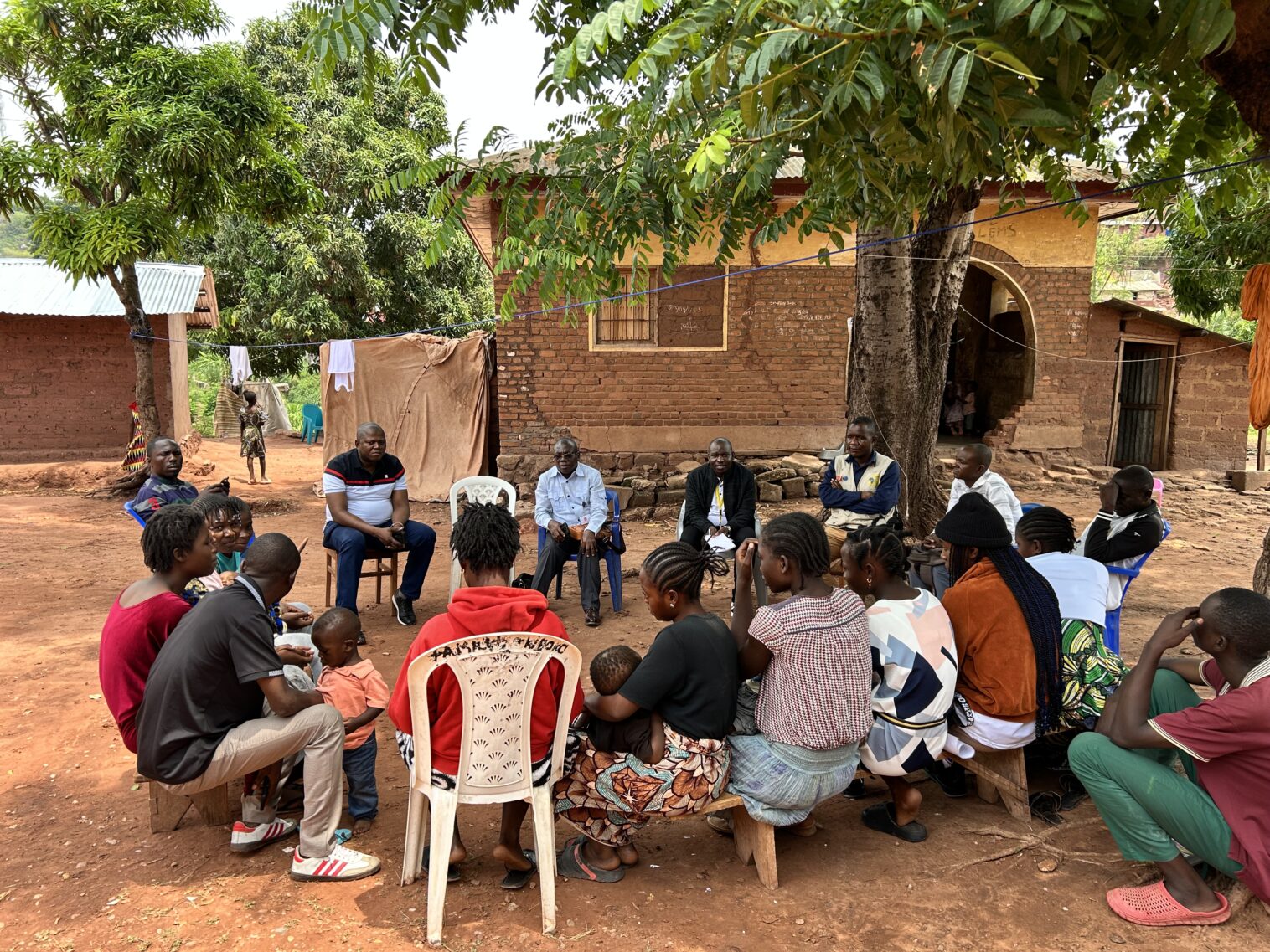
Does aid really reach those it is meant for? And how can the change brought about by development cooperation be measured reliably? Join us on a monitoring trip to the Democratic Republic of the Congo.
Development cooperation is not just about dreaming of a better world, but above all about concrete actions that are visible in people’s everyday lives and whose impacts can be measured and verified.
It is essential to ensure that good intentions do not remain mere plans on paper, but that change truly takes shape in people’s daily realities.
This is why monitoring, the systematic follow-up of projects, is a core part of development cooperation. Through monitoring, we ensure that the work is moving in the right direction, learn how to operate more effectively, and make results visible both to local communities and to supporters.
I travelled on a monitoring trip to Kalemie, a city in the eastern part of the Democratic Republic of the Congo, where we have been engaged in development cooperation for several years. Kalemie stretches along the shores of the vast Lake Tanganyika, and the traces of a recent, devastating conflict are still clearly visible in the area. Many people carry the trauma of violence in their minds and bodies.
The city and its surrounding villages also provide shelter for internally displaced people who have fled the war raging elsewhere in the country. My trip included numerous meetings, discussions and interviews, as well as a few training sessions. The aim was to listen and to see what cooperation with different actors has made possible in practice.
Trust, Learning, and a Journey Shared Together
Monitoring functions as both a compass and a safety net for development cooperation. It helps assess whether we are doing the right things and whether the work is creating real, sustainable change. At the same time, it builds trust between communities, authorities, and project actors. When information flows openly and observations are discussed together, a shared direction emerges — along with a common understanding of where efforts should be focused.
Monitoring is also about learning: pausing, listening, and having the courage to adapt activities based on the feedback received. This becomes most tangible on the ground, when you can see and hear the impact of the work with your own eyes.
Families’ financial situations have improved, and school fees for children can now be paid regularly.
One day, we travelled along a bumpy, dusty road into the countryside. In a village on the outskirts of Kalemie, we met a savings and loan group that has been gathering weekly for four years. The group’s aim is to help villagers save money together for essential needs. At the beginning, members received guidance on how to get started, and over time their skills strengthened to the point that, inspired by their example, three new savings groups have already been formed in the village.
Group members described concrete changes in their daily lives. Families’ finances have improved, and children’s school fees can now be paid on a regular basis. Several women have been able to start small businesses using their savings.
They noted that this is extremely important for them, as women without formal education, so that they can contribute income to their families.
The community had also used the savings for the benefit of the entire village. The funds had helped, for example, vulnerable families who could not afford hospital fees. Stories like these bring development work to life and serve as a reminder that change is far more than statistics or the number of training sessions held.
Statistics, Meetings, and Tangible Change
Monitoring is a continuous process that runs alongside a project. It brings together quantitative data, qualitative observations, and people’s own experiences.
In practice, this means visiting people in their communities, holding discussions, tracking statistics, and reviewing documents.
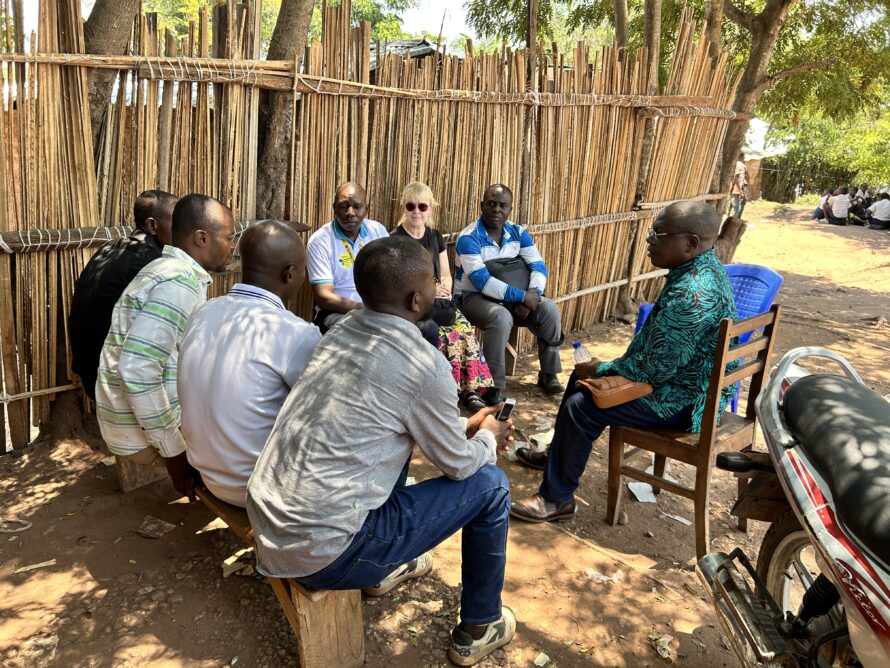
One of the most important aspects of monitoring is meeting with local authorities. On this trip, we sat down with representatives from various regional administrations and government bodies to hear their perspectives on the impact of the work. This is not just about gathering feedback, but about building long-term trust.
The regional police chief described how efforts to combat violence have changed operational practices. Police officers are now able to refer women who have experienced sexual violence to psychosocial support, which has begun to be offered in police hospitals through the collaboration. At the same time, the police approach itself has become more rights-based.
Children from different ethnic groups now get along better and perform better academically than before.
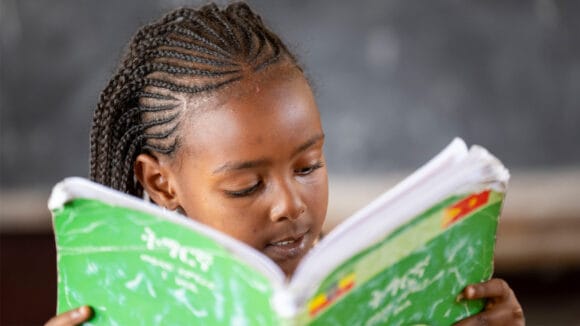
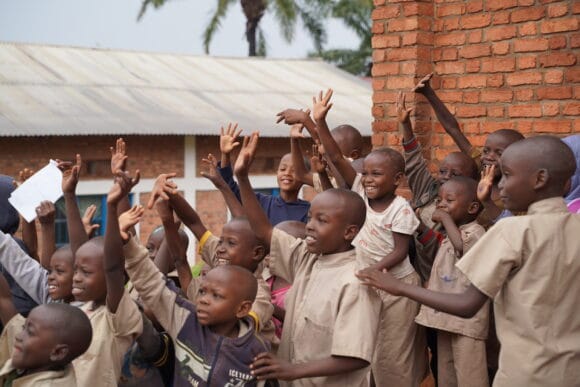
The change is also visible in schools. According to education authorities, children from different ethnic groups now get along better and perform better academically than before. This is thanks to peace clubs established in schools, which have fostered greater understanding and tolerance among both children and adults.
Verifying Information – The Power of Multiple Perspectives
Assessment often involves verifying information from multiple sources. This means looking at the same issue through community testimonies, official documents from authorities, and observations from project staff. When these sources corroborate each other, we can be confident that change has occurred. If the information differs, it signals the need to pause and examine the situation more closely. This is not about mistrust, but about building certainty. The goal is to understand reality as accurately and honestly as possible.
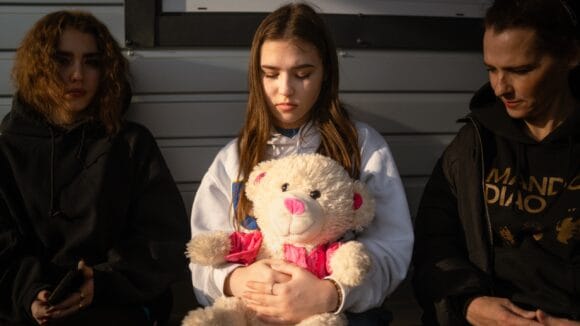
The police chief’s account of changes in operational practices was further confirmed by a support group for young girls who have experienced sexual violence. The girls shared that the support provided by the local police hospital has helped them find ways to continue their lives and learn to love the child born as a result of the violence. Hope in daily life has grown. They have also been able to participate in justice processes, and their families have welcomed them back home instead of rejecting them in shame.
Sustainable Change and a Better Future
Development cooperation is long-term work, which is why progress is tracked over several years. Long-term monitoring reveals whether results last beyond the end of a project. Is the savings group still active? Are children still attending school and learning effectively? Has the community’s mindset permanently shifted so that everyone feels accepted and safe?
These questions help identify which approaches truly take root and which still need support. Ultimately, it is about whether change emerges that is owned by local people and can sustain itself without external project assistance. This is the real measure of successful development cooperation.
Development cooperation is not just a promise of a better future, but a journey toward it, verified step by step together.
Monitoring is therefore not just about reporting. It is about building trust, continuous learning, and a shared journey toward change. It is the ability to see both the big picture and everyday details, to listen to people, and to gather evidence that change is real. It reminds us that development cooperation is not merely a promise of a better future, but a journey toward it, verified step by step together.
The work is supported by Finnish development cooperation funds, as well as by contributions from sponsors and donors.