 Joonas Haverinen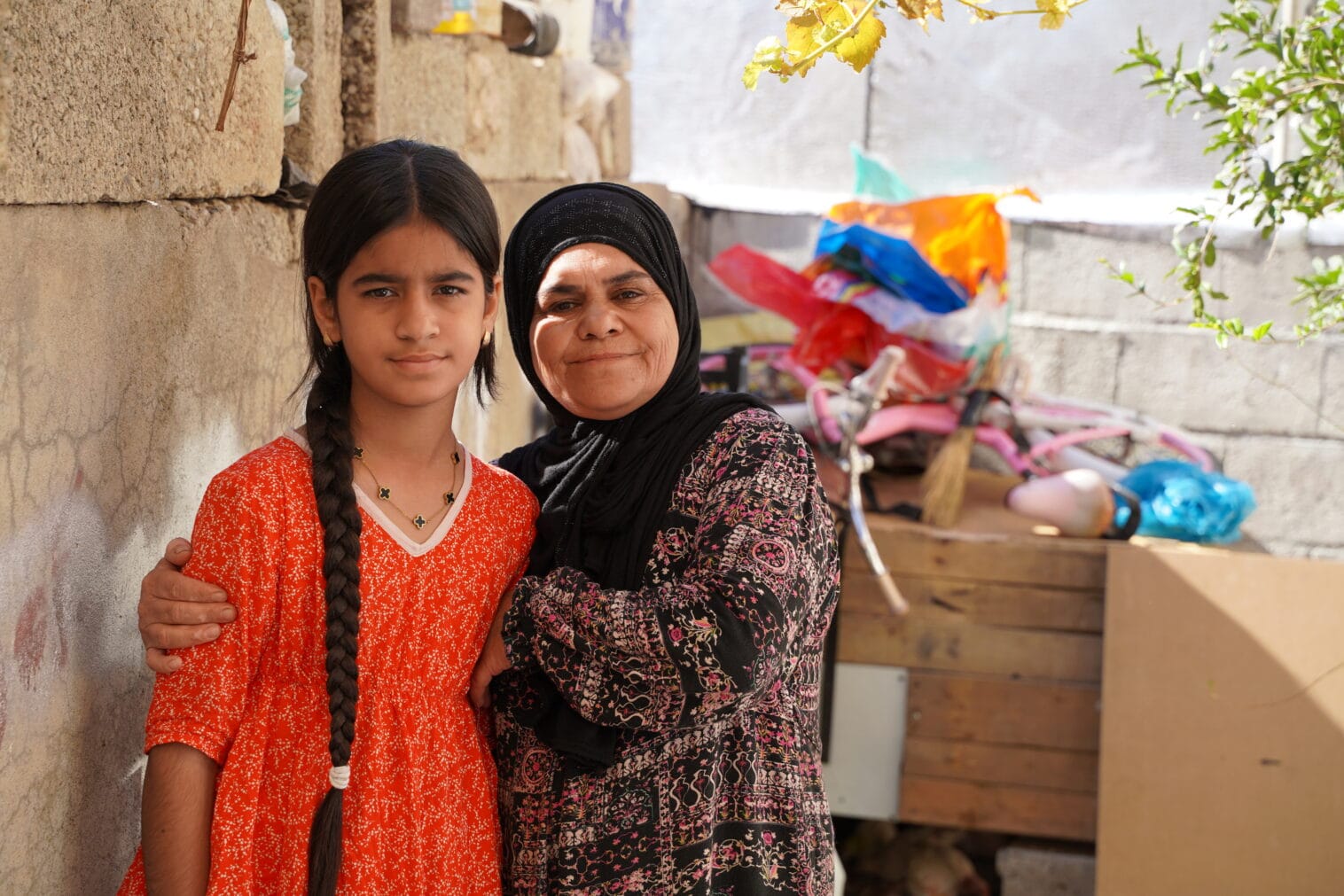
Halabja stretches across a valley surrounded by rocky hills. This small city in northeastern Iraq, within the Kurdistan Autonomous Region, has a traumatic history whose effects are still felt today.
In the late 1980s, Iraq’s former dictator Saddam Hussein ordered a horrific chemical attack on the civilian population of Halabja. As a result, the area still sees a higher-than-average number of children born with disabilities. Traumas continue to linger in people’s minds, and disability is often associated with feelings of shame. There is thus a particular need to support inclusive education in the region, ensuring that children with disabilities are included in schooling.
School Brings Joy and a Future
In the home of an ordinary Halabja family, a quietly humming air conditioner blows a steady stream of cool air into the living room. Outside, the blazing sun and the dry heat of the surrounding desert create a sharp contrast with the cool interior.
We have the honor of visiting a home where, under the same roof as mother Barin Akram, live a father and daughter with hearing impairments, Bafran, as well as younger siblings.
The mother lights up when we ask whether going to school has changed her 11-year-old daughter’s life.
– Previously, Bafran hardly spoke at all. She was very quiet, Barin describes her daughter.
What makes me proud as a mother is when my daughter passes her school grades.
Barin Akram, Iraq
After getting the chance to attend school, the daughter changed completely, according to her mother.
– The school’s special education teachers have supported my daughter. It was also very beneficial for her to attend summer school before the academic year began, Barin says.
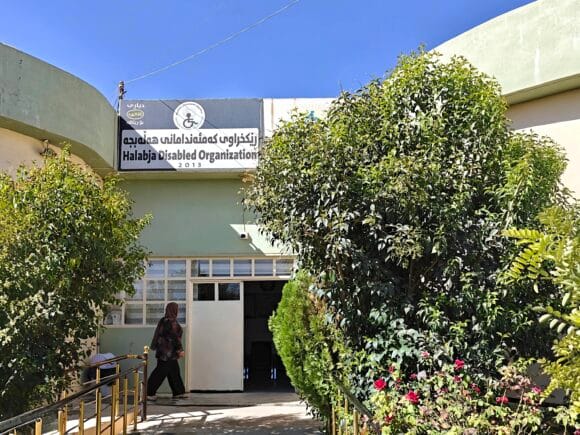
Fida’s partner organization in the area is the Halabja Disabled Organization (HDO). It recently organized a sign language math competition for children in Halabja. In the competition, the children solved problems using sign language. Bafran was one of the participants and she won the contest.
– What makes me proud as a mother is when my daughter passes her school grades. Winning the competition was also a great joy for us, Barin describes.
– I hope that through schooling, my daughter will become more independent as she grows up. As a mother, however, I cannot support her forever, Barin reflects.
Bafran herself says that school has brought her friends and that it makes her happy.
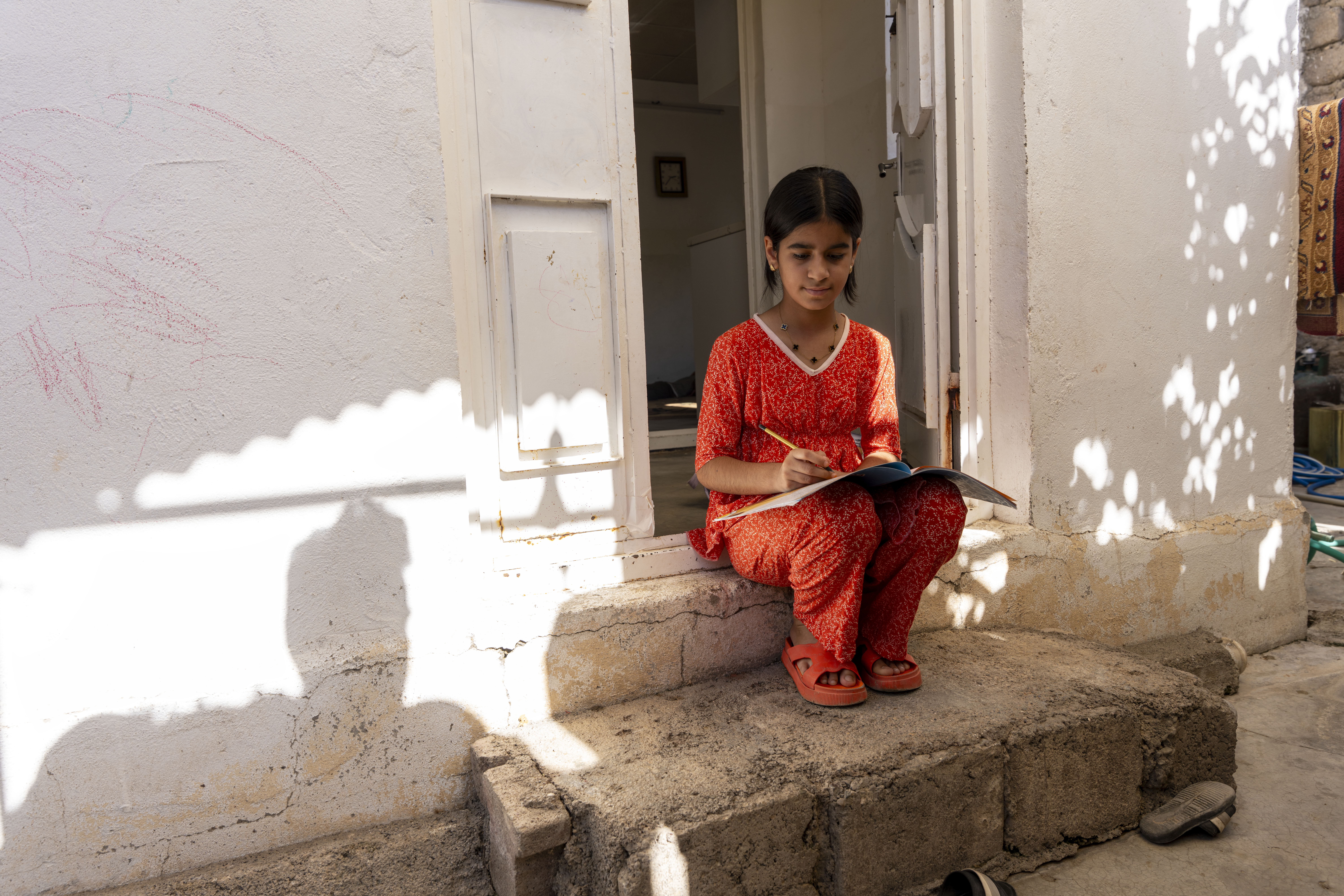
Children with disabilities, like Bafran, can attend regular school if teachers have the skills to support their learning. This is reflected in Bafran’s answer when asked what kind of teacher she likes.
– The science teacher is good because she helps me, Bafran summarizes.
For Bafran, who was shy as a child and spent much of her time at home with little to do, going to school has also brought a dream for her own future.
– When I grow up, I want to be a physical education teacher, Bafran says.
Special Education Teachers Bringing Change
In the resource room of Sharazoor Primary School, special education teacher Rangin Marf says that Halabja experienced a breakthrough when HDO began operating in the area.
– I participated in training for special education teachers and realized that one of my main tasks is to spread knowledge about inclusive education and the rights of children with disabilities, Marf explains.
According to Marf, one of the most significant outcomes has been the establishment of a special education teachers’ committee, which prepared a report for local authorities on the challenges identified by special educators, such as lack of accessibility, inadequate restroom facilities, or insufficient resources.
Now, the local administration has already addressed most of the listed challenges, and the situation has improved significantly.
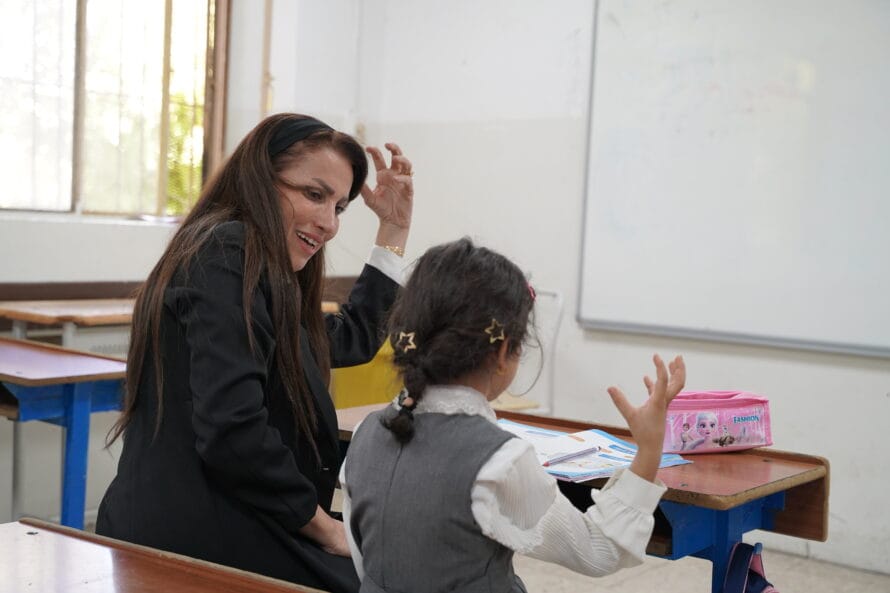
– Previously, children with disabilities were bullied at school, but that has now changed, Marf says with joy.
Rangin Marf explains that, depending on their disability or health condition, not all children with disabilities necessarily graduate from school. Still, she believes that the opportunity to attend school helps all children with disabilities discover the skills they have. Social interaction and making friends benefits everyone.
– The curriculum should still be simplified for children with disabilities. Some teachers already do this, but some do not. The challenge is that teachers do not receive compensation for the extra work, Marf notes.
Rangin Marf sees, however, that the collaboration between Fida and HDO has made it easier for school staff to support and engage with children with disabilities.
– We now have a closer relationship with the parents of children with disabilities through the WhatsApp groups we established, Marf says.
Change is the Result of Collaboration
At the school where special education teacher Rangin Marf works, there are 492 students, 28 of whom have disabilities. Compared to just 16 years ago, the change is striking. In 2009, there was only one child with a disability attending the school.

Behind this change is strong advocacy work carried out by HDO with support from Fida. The people of Halabja founded the HDO organization in 2016, and since then they have been strengthening the position of children and youth with disabilities in society.
In recent years, HDO has organized summer schools in Halabja before the start of the academic year. These have eased the integration of children with disabilities into school life and helped them build important friendships. In 2024, a total of 107 children with disabilities participated in the summer schools.
Training special education teachers and supporting their employment is another way HDO has promoted more inclusive education. Previously, there were no special education teachers in the area. Now, there are dozens in the schools of this small city. In 2024, nine new special education teachers were hired.
HDO has also influenced local authorities to make schools accessible. As a result of this advocacy work, ramps have been built, and resource rooms have been established in schools. In these rooms, children with disabilities can receive the specialized support they need from skilled special education teachers.
Change of Mindset
Karwan Ali, senior project coordinator at HDO, was himself a student at Sharazoor School when he was young. He has a congenital hip disability, which caused him to fall behind other students in mobility.
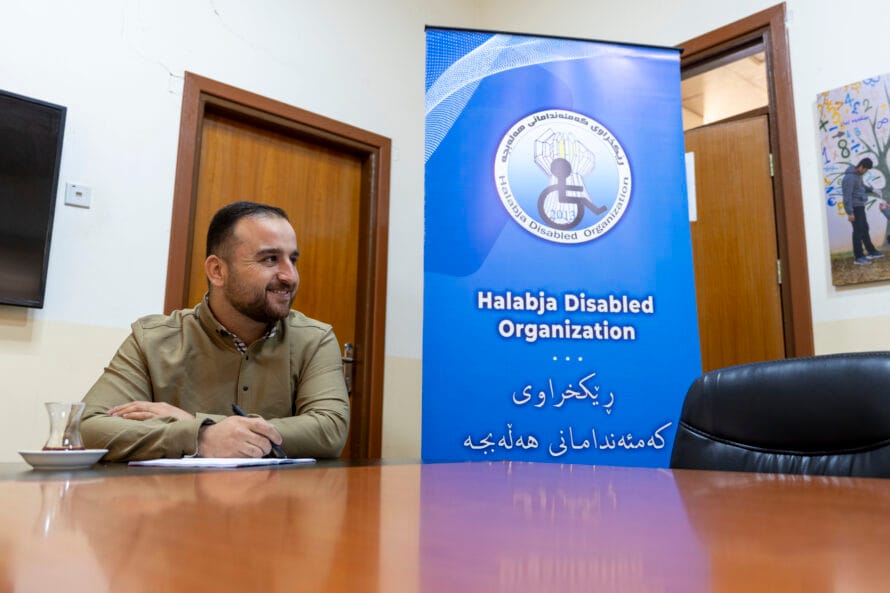
Now Ali rejoices at the changes he sees in his former school. Something within him has changed as well.
– I used to think that children with disabilities should have their own separate schools. Nowadays, I believe that all schools should be designed universally to suit all students, Ali summarizes.
The work is supported with funding from Finnish development cooperation.